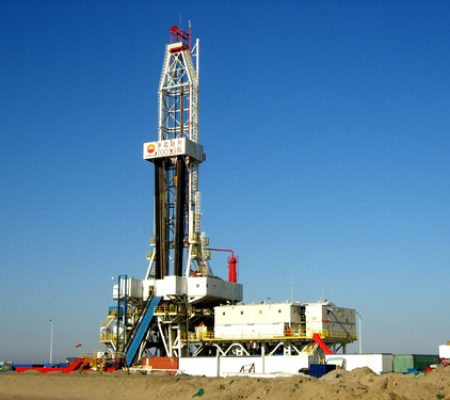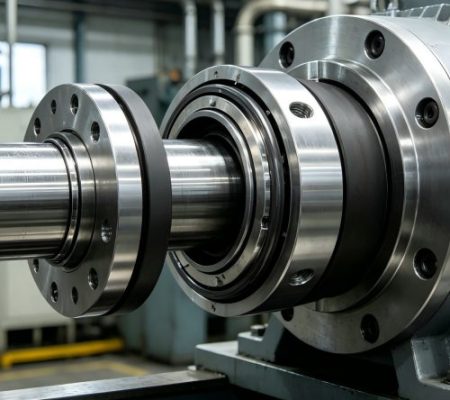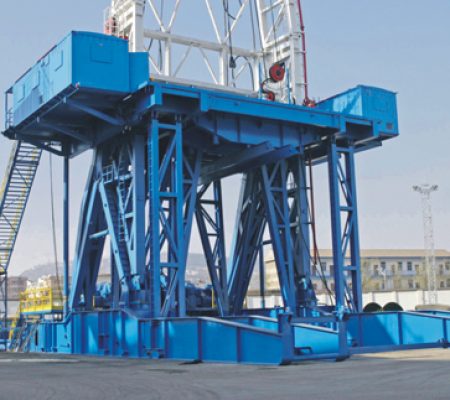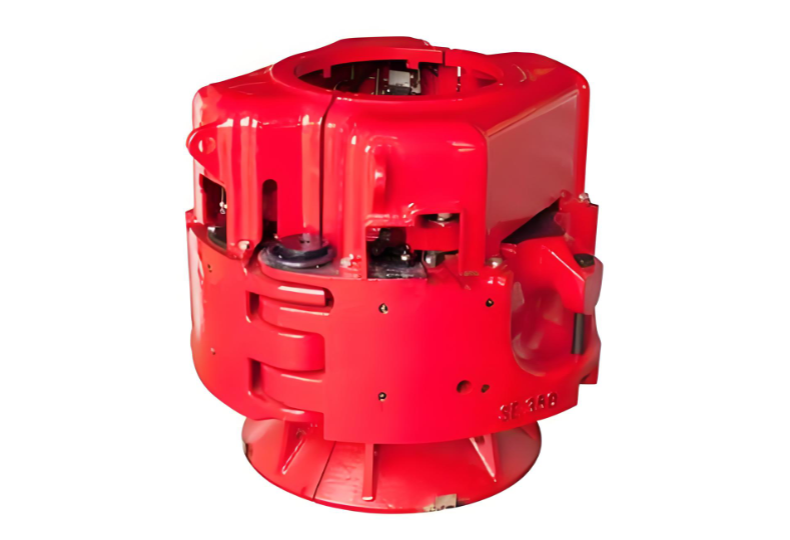
In oil and gas field operations, wellhead tools play a critical role in connecting wellhead equipment, maintaining pressure control, and ensuring safe operation. Because wellhead tools come in many types, are used frequently, and operate in harsh environments, the absence of standardized management can easily lead to tool misplacement, mismatched specifications, insufficient maintenance, and even safety incidents. Implementing standardized management for wellhead tools not only improves operational efficiency but also reduces risk and enables better control and stability throughout production processes. This article explains the importance of standardized management and outlines practical implementation strategies.

Enhancing Safety and Reliability in Wellhead Operations
Wellhead tools directly participate in drilling, workover, and completion activities, and their performance and proper usage are closely tied to on-site safety. Without clear management standards, tools may experience unnoticed wear, mixed specifications, or improper strength ratings—creating potential hazards. Standardized management ensures tools remain in proper working condition by establishing unified inspection systems, strength classifications, and clear scrapping criteria. This greatly reduces accident risks and boosts overall operational safety.
Ensuring Operational Efficiency and Equipment Coordination
Wellhead operations require fast, well-coordinated execution, and every tool must match the wellhead equipment under high-intensity conditions. Tools such as slips, elevators, and casing-head sealing tools can slow down the entire workflow if specifications are inconsistent or storage is disorganized. Standardized management—through unified labeling, categorized storage, clear identification, and dedicated oversight—helps personnel locate tools quickly, streamline operational steps, and significantly improve overall work efficiency.
Reducing Maintenance and Replacement Costs
Poor tool management accelerates tool deterioration, often due to insufficient lubrication, irregular inspection, or improper handling. Standardized management establishes a clear maintenance cycle, including cleaning, lubrication, inspection, and proper return procedures. This reduces damage caused by misuse and lowers maintenance expenses. Additionally, unified procurement and standardized specifications help reduce inventory size and procurement costs, improving resource allocation.
Promoting Operator Consistency and Professionalism
Wellhead tool management is not only about equipment; it also relies heavily on personnel. Without standardized procedures, each crew may develop its own tool selection and maintenance habits, resulting in inconsistent operation quality and higher risk. Through standardization, companies can implement unified operating manuals, usage guidelines, and training requirements. This minimizes human error and enhances team coordination.
Key Strategies for Implementing Standardized Management
To effectively build a standardized tool management system, companies can take the following steps:
First, create a comprehensive tool registry, assigning each tool a unique ID and recording its usage status.
Second, implement categorized storage according to tool type, size, and strength, ensuring personnel can quickly find what they need.
Third, establish periodic inspection and maintenance protocols, including cleaning, lubrication, strength testing, and scrapping assessments.
Finally, conduct regular training and assessments so employees fully understand standardized processes, ensuring tools are checked before use and returned properly afterward.
Leveraging Digital Tools to Improve Management Efficiency
With digital transformation accelerating across the oil and gas industry, more companies are adopting electronic registries, QR-code tracking, and smart inventory systems. These tools allow workers to check tool status, maintenance cycles, and borrowing records directly from mobile devices, reducing manual errors and increasing management transparency and efficiency.
Conclusion
Standardized management of wellhead tools is essential for improving safety, efficiency, and cost control. By establishing clear procedures, adopting systematic maintenance practices, and integrating digital systems, companies can significantly enhance the reliability and execution of wellhead operations. Whether for large oilfields or specialized service companies, standardized tool management provides long-term operational value and should be treated as a foundational management priority.