In the oil and gas drilling field, the choke manifold, as the core equipment of the well control system, bears the critical mission of regulating well pressure and ensuring operational safety. Its functional design spans the entire drilling cycle, from soft shut-in operations to well control operations, from blowout protection to pressure balance maintenance; every stage relies on the precise control of the choke manifold. This article will provide an in-depth analysis of its core functions, revealing how this “invisible guardian” safeguards drilling safety through technological innovation.
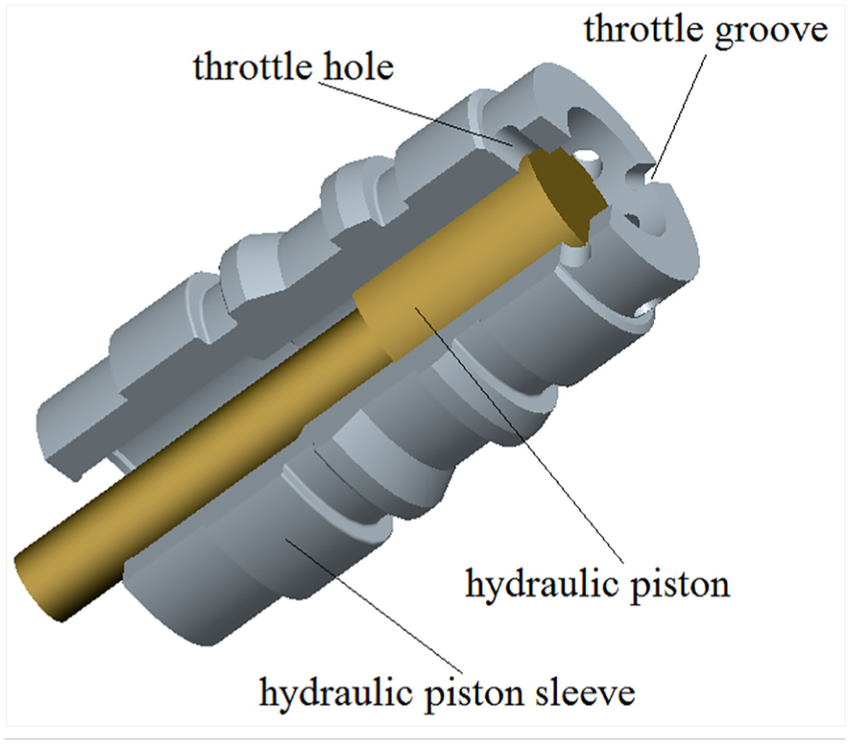
Soft Shut-in: The Art of Well Control with Flexibility
In hard shut-in operations, the instantaneous closure of the blowout preventer at the wellhead can cause a sudden surge in well pressure, potentially triggering a chain reaction such as wellhead device rupture and formation fluid runaway. The choke manifold provides a flexible solution to this problem through a “diversion and pressure relief” mechanism. When a well kick occurs, operators can gradually open the manifold channel through the choke valve, allowing the fluid in the well to be slowly discharged through the choke manifold, transforming the pressure release process from an “instantaneous impact” to a “gradual adjustment.” For example, when encountering a high-pressure gas layer during drilling in an oilfield, a soft shut-in was achieved using a choke manifold. This reduced the peak wellhead pressure by 40% compared to a hard shut-in, decreased equipment wear by 65%, and effectively prevented well control accidents from escalating.
Pressure Balance: A Dynamically Controlled Bottom-of-Well Defense
Formation fluid intrusion into the wellbore is a common risk in drilling operations, primarily caused by an imbalance between bottom-of-well pressure and formation pressure. The choke manifold, through choke valve opening adjustment, establishes a dynamic pressure control system: when the bottom-of-well pressure is detected to be lower than the formation pressure, the system automatically reduces the choke valve opening, decreasing the annular fluid discharge and increasing the bottom-of-well fluid column pressure; conversely, it expands the opening to prevent excessive wellbore pressure. In a deep well drilling project, by linking the choke manifold with the drilling pressure monitoring system, real-time bottom-of-well pressure correction was achieved, reducing the overflow rate from 3.2% to 0.5% and shortening the single-well operation cycle by 18 days.
Well Control Operations: Precisely Controlled Fluid Replacement
During well control, the choke manifold and the kill manifold work together to form an “injection-discharge” closed-loop control system. The high-pressure pump injects kill fluid into the wellbore through the kill manifold, while the choke manifold controls the annular fluid discharge rate, ensuring the bottom hole pressure is always slightly higher than the formation pressure. During this process, the choke valve opening needs to be dynamically adjusted based on parameters such as riser pressure and casing pressure: if discharge is too fast, it may lead to insufficient bottom hole pressure and secondary overflow; if discharge is too slow, it may cause the wellhead pressure to exceed the limit.
Blowout Protection: A Safety Barrier of Staged Pressure Relief
Faced with extreme conditions such as blowouts, the choke manifold constructs multiple safety lines through a “staged pressure relief” mechanism: In the initial stage, the choke valve continuously relieves pressure at a small flow rate to maintain stable wellhead pressure; when the pressure exceeds the threshold, the system automatically switches to the vent valve, directing the high-pressure fluid into the vent line and guiding it to a safe area for discharge. When a land drilling team encountered an abnormally high-pressure layer, the choke manifold switched from choke depressurization to blowout protection within 30 seconds, successfully preventing damage to the wellhead equipment and resulting in zero injury to personnel and equipment on site.
Technological Evolution: From Mechanical Control to Intelligent Integration
Traditional choke manifolds rely on manual adjustment, resulting in problems such as response lag and insufficient accuracy. Modern systems achieve three major upgrades through the integration of hydraulic control, electronic sensing, and automation technologies: First, redundant loop design, with two independent branches that can automatically switch to ensure operational continuity; second, remote control functionality, allowing operators to adjust the choke valve opening from the control room, reducing the risk of wellhead exposure; and third, data interconnection, interacting in real time with the drilling rig data system and hydraulic simulator, automatically calculating the optimal choke scheme based on parameters such as well depth, lithology, and fluid properties. After its application in shale gas drilling, a certain intelligent choke manifold reduced pressure control error from ±5% to ±1.2%, and improved operational efficiency by 22%.From flexible operations with soft shut-in to rigid barriers against blowouts, from dynamic control of pressure balance to precise replacement of well-killing operations, choke manifolds are reshaping the boundaries of drilling safety through technological advancements. With the accelerating trends of intelligence and integration, this “invisible guardian” is evolving from a single piece of equipment into a central hub of the well control system, laying a solid safety foundation for the high-quality development of the oil and gas industry.