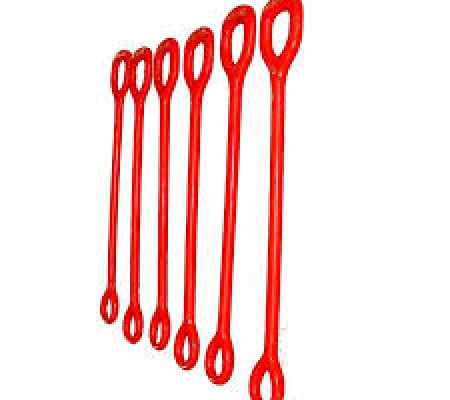
Elevator links are critical load-bearing components in wellhead tool systems. They are primarily used to connect elevators with drill strings or casing during tripping and casing operations, where they are subjected to heavy static loads and repeated cyclic stresses. Due to harsh operating environments and frequent loading, improper maintenance can lead to wear, fatigue cracking, or even sudden failure. Therefore, establishing a standardized and practical maintenance procedure is essential to ensure operational safety.
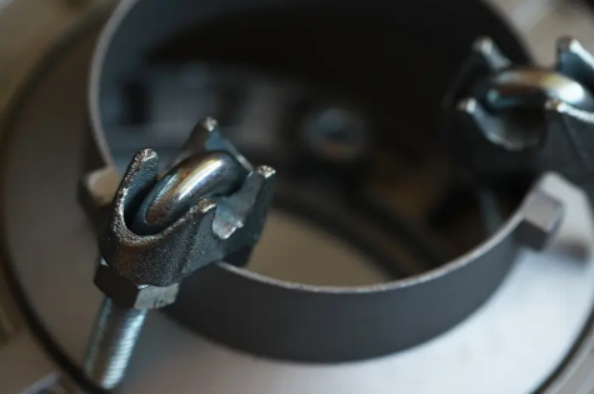
Below is a step-by-step guide to elevator link maintenance and care based on field practices.
Pre-Operation Inspection and Basic Cleaning
1. Visual Inspection
Before each use, conduct a thorough visual inspection of the elevator link, focusing on:
Cracks, deformation, or stretching marks
Surface dents, impacts, or chipped edges
Abnormalities at stress-concentrated areas such as lugs and fillets
If any structural defect is found, the elevator link must be removed from service immediately.
2. Surface Cleaning
After wellsite operations, elevator links are often covered with drilling mud, oil, and salts, which accelerate corrosion and fatigue damage. Maintenance cleaning should include:
Rinsing with clean water or neutral detergent
Removing mud, oil residues, and chemical contaminants
Ensuring critical load-bearing areas are clearly visible
Proper cleaning is the foundation for accurate inspection and maintenance.
Wear and Dimensional Inspection of Critical Areas
1. Wear Inspection
Pay close attention to:
Inner contact surfaces where the link interfaces with the elevator
Pin holes and contact points with pins or shafts
Surfaces aligned with the primary load direction
Obvious wear, material thinning, or surface scoring should be documented and evaluated.
2. Dimensional and Geometry Checks
Use calipers or dedicated gauges to verify that key dimensions remain within design tolerances, including:
Link opening size
Thickness variations
Symmetry and alignment
Dimensional deviations often indicate plastic deformation or increased stress concentration.
Non-Destructive Testing (NDT) Procedures
1. Magnetic Particle Testing (MT)
MT is widely used for detecting surface and near-surface cracks in high-strength alloy steel elevator links and is especially suitable for field inspections.
2. Dye Penetrant Testing (PT)
PT helps identify fine surface cracks and is often used as a supplementary inspection method for critical areas.
3. Ultrasonic Testing (UT)
For elevator links with long service life or those operating under high loads, periodic ultrasonic testing is recommended to detect internal defects.
All NDT results should be recorded and used as a basis for service life evaluation and replacement decisions.
Corrosion Protection and Lubrication
1. Corrosion Protection
After cleaning and inspection, apply corrosion protection measures:
Coat surfaces with rust inhibitors or anti-corrosion oils
Focus on high-stress and exposed areas
Avoid excessive coating thickness that may affect fitment
Corrosion protection is especially critical in offshore, humid, or high-salinity environments.
2. Proper Lubrication
Apply appropriate lubricants to contact areas involving pins or mating components to reduce friction and wear. Avoid excessive lubrication that could contaminate wellhead operations.
Storage and Transportation Management
1. Proper Storage
When not in use, elevator links should be:
Stored in a dry, well-ventilated area
Kept off direct ground contact
Protected from heavy impact or stacking pressure
For long-term storage, periodic inspection of corrosion protection is recommended.
2. Transportation Protection
During transportation, use dedicated supports or cushioning materials to prevent collisions between elevator links and avoid hidden damage.
Maintenance Records and Replacement Management
Establish complete maintenance records, including:
Operating time and load conditions
Inspection and NDT results
Abnormal findings and corrective actions
When an elevator link reaches its design service life or exhibits non-repairable defects, it must be removed from service and replaced immediately.
Conclusion
As a key load-bearing component in wellhead tool systems, the safety of elevator links depends heavily on consistent and standardized maintenance practices. Through systematic cleaning, inspection, non-destructive testing, corrosion protection, and proper storage, operators can significantly extend service life while reducing operational risks. Proper maintenance is not only a cost-saving measure—it is a critical safety requirement.