In oil and gas wellhead operations, Elevator Links are commonly used as auxiliary wellhead tools for equipment lifting, lowering, hoisting, and transferring tubing. Although their structure seems simple, the load capacity of Elevator Links directly affects operational safety and efficiency at the well site. If the load capacity is insufficient or the Elevator Link is improperly used, minor issues may delay operations, while serious cases can cause safety incidents. Therefore, understanding how to enhance the load capacity of Elevator Links is crucial for wellhead operations.
Understanding Load Capacity in Wellhead Conditions
Wellhead environments differ significantly from conventional lifting scenarios. They typically involve heavy loads, limited space, and frequent operations. During use, Elevator Links not only bear static weight but also dynamic forces and impact loads generated during lifting and lowering. Therefore, their load capacity should be evaluated not only by theoretical specifications but also by the actual wellhead operating conditions.
At the design and selection stage, considering tubing weight, lifting frequency, and operational procedures is the first step toward maximizing load capacity.
Proper Selection as the Foundation for Capacity Improvement
The load capacity of an Elevator Link is closely related to its structural dimensions, material strength, and thread specifications. In wellhead applications, using undersized Elevator Links to “make do” must be avoided.
Improving load capacity does not simply mean increasing size. Instead, the Elevator Link should be carefully matched to the weight of the tubing, direction of force, and installation position. Proper selection ensures that the Elevator Link operates within a safe working range, reducing fatigue and preserving effective load capacity over time.
Material Quality and Heat Treatment Significantly Affect Load Capacity
As part of wellhead tools, Elevator Links require high tensile strength and toughness. Using high-strength alloy steel combined with proper heat treatment significantly enhances their overall load-bearing performance.
High-quality materials and heat treatment not only increase rated load capacity but also improve resistance to fatigue from repeated lifting cycles. This is particularly important in high-frequency wellhead operations, where micro-cracks could gradually develop and reduce the effective load capacity.
Installation Quality Determines Full Load Performance
In field operations, installation quality is often overlooked, yet it has a direct impact on performance.
If the mounting surface is uneven, threads are not fully engaged, or tightening is insufficient, even a well-rated Elevator Link may not achieve its intended load capacity. Proper installation requires a secure connection between the Elevator Link and the wellhead tool, with correct alignment to ensure the load is applied along the intended direction and to avoid eccentric loading.
For higher-load operations, optimizing the mounting structure to distribute stress more evenly can improve overall load capacity.
Avoid Improper Loading to Reduce Hidden Losses
During wellhead operations, Elevator Links frequently experience changes in lifting angles and dynamic loads. Long-term exposure to side loading, inclined lifting, or impact forces accelerates fatigue and gradually reduces actual load capacity.
Careful planning of lifting paths, controlled lifting speeds, and avoidance of sudden starts or stops help minimize peak loads. Operational optimization is often the simplest yet most effective method to maintain and enhance load capacity.
Inspection and Maintenance Ensure Long-Term Reliability
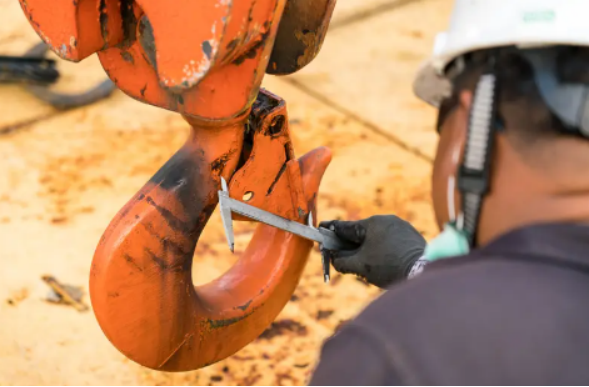
As reusable wellhead components, Elevator Links’ load capacity changes over time. Regular inspection of threads, bodies, and high-stress areas helps detect deformation, wear, or cracks before they compromise performance.
Under high-intensity wellhead conditions, maintaining usage and inspection records allows operators to track the condition and usage history of each Elevator Link, reducing the risk of overuse and ensuring consistent load performance.
Conclusion
Although Elevator Links are relatively small components in the wellhead tool system, their load capacity is critical for operational safety. Through proper selection, optimized materials and heat treatment, correct installation, operational precautions, and regular inspection, the effective load capacity of Elevator Links can be significantly enhanced.
For wellhead operations, true load capacity improvement is achieved not by specifications alone but through the combined effects of design, application, and management.