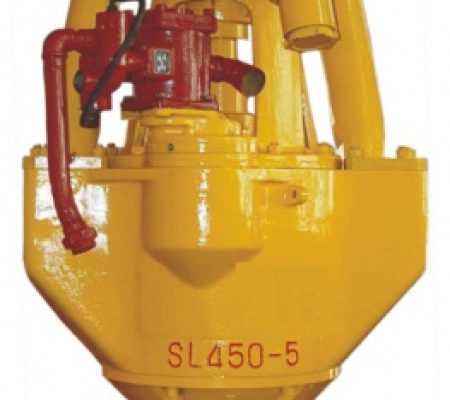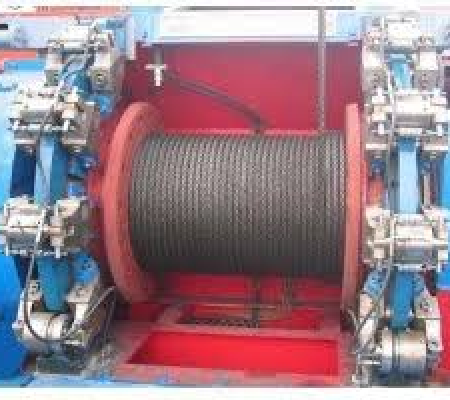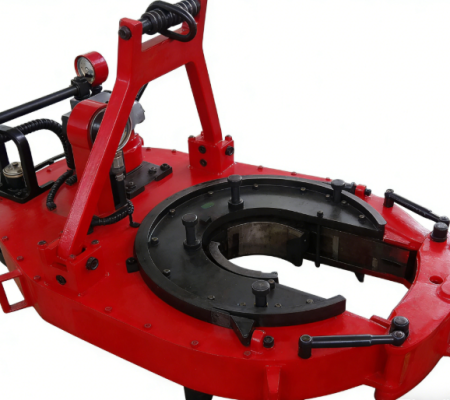
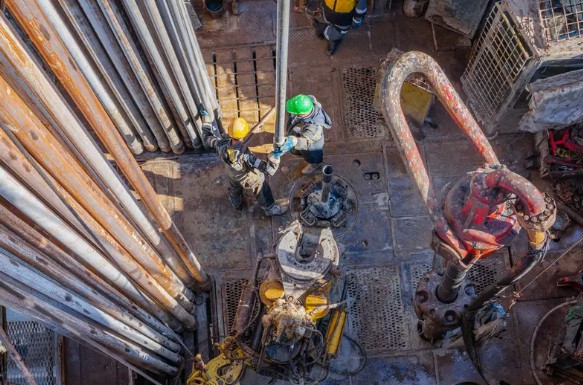
In oil well operations, wellhead tools are critical equipment that ensure both safety and operational efficiency. Whether in drilling, workover, or completion operations, the performance of wellhead tools is closely related to the construction environment. Proper assessment of the construction site and adherence to environmental requirements can extend equipment lifespan, reduce failure rates, and protect personnel safety. This article outlines the key environmental requirements for wellhead tools during construction, helping field teams optimize equipment layout and operations.

Ground Leveling and Load-Bearing Capacity
The installation and use of wellhead tools require a stable and reliable ground surface. The construction area should be level, free of mud, standing water, or soft soil, to ensure secure installation. Additionally, the ground must have sufficient load-bearing capacity to support the weight of the wellhead tools and related accessories. Insufficient foundation support may lead to tilting or sinking of equipment, increasing operational risks.
Temperature and Climate Conditions
Wellhead tools are sensitive to extreme temperatures, which may affect material strength and sealing performance. In high-temperature environments, attention should be paid to metal expansion and lubricant degradation. In low-temperature regions, freezing of equipment and sealing failures must be prevented. Evaluating climate conditions before construction and applying frost protection or cooling measures when necessary can ensure normal tool operation.
Corrosion and Dust Protection
Wellhead tools exposed to outdoor or offshore environments are prone to corrosion from windblown sand, salt spray, and chemical agents. Construction sites should minimize exposure to corrosive elements and regularly clean dust and debris. Using protective covers, coatings, or corrosion-resistant materials can extend equipment life and maintain stable performance under harsh environmental conditions.
Water Supply and Drainage Conditions
Construction sites should have effective drainage systems to prevent accumulation of rainwater or wastewater around the wellhead. Standing water can lead to rust, damage seals, or cause moving parts to jam. Planning site grading and drainage facilities ensures that the wellhead area remains dry and clean, reducing maintenance needs and operational risks.
Ventilation and Safety Space
Adequate ventilation is essential, especially in enclosed or semi-enclosed construction areas. Proper airflow helps remove harmful gases and reduces heat exposure for personnel and equipment. In addition, sufficient safety space around the wellhead allows for smooth operation, maintenance, and emergency response, minimizing the risk of accidents or collisions.
Electrical Supply and Lighting
Stable electricity and proper lighting are crucial for the operation and monitoring of wellhead tools. Construction sites should use explosion-proof electrical equipment, ensure safe cable routing, and prevent electrical hazards. Adequate lighting improves operational accuracy and reduces errors or accidents during construction.
Conclusion
In summary, the environmental requirements for wellhead tools cover ground leveling, temperature control, corrosion and dust protection, water drainage, ventilation and safety space, as well as electrical supply and lighting. Only when these conditions are met can wellhead tools perform optimally, ensuring safe and efficient oil well operations. Construction teams should assess site conditions in advance and implement protective and optimization measures to guarantee long-term, stable operation of wellhead equipment.