In oilfield operations, wellhead tools go through a complete lifecycle—from procurement and storage to usage, maintenance, inspection, and final disposal. Any weak link in this lifecycle can lead to safety risks, increased costs, or reduced operational efficiency. Therefore, establishing a standardized, traceable, and efficient full-process management system is essential for ensuring equipment reliability and extending service life. This article outlines a complete set of best practices to help enterprises build a robust wellhead tool lifecycle management framework.
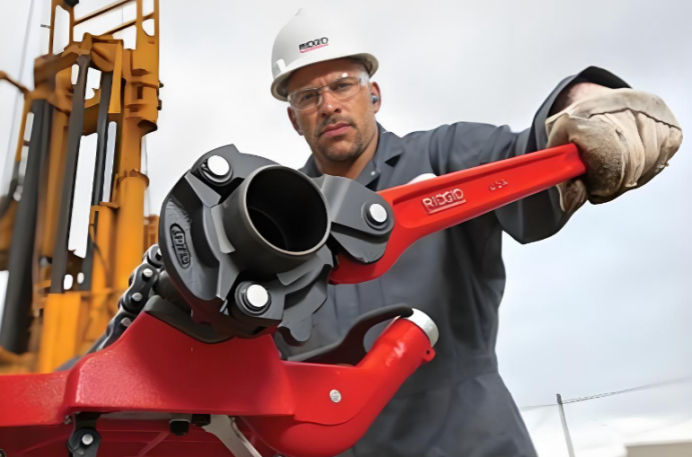
Procurement: Selecting Reliable and Compliant Equipment
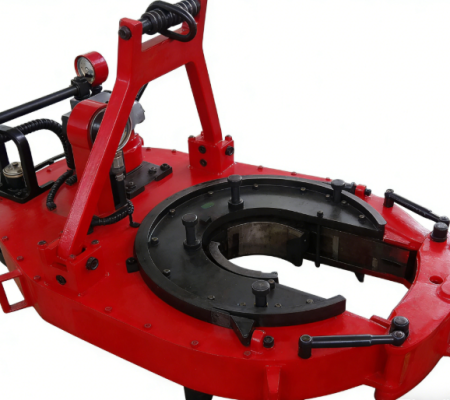
The lifecycle of wellhead tools begins with procurement, and choosing the right supplier determines the baseline quality of all subsequent operations. When purchasing wellhead tools, companies should prioritize suppliers with API or ISO certifications, clear quality documentation, and stable production capacity. Tools such as slips, elevators, tongs, and valves must meet industry standards and include factory test reports and serial numbers for traceability. It is also recommended to implement a supplier scoring system covering delivery time, product stability, service response, and cost performance to continuously refine procurement decisions.
Storage and Labeling: Building a Clear Traceability System
After receiving wellhead tools, the first step is establishing a standardized storage and labeling system. Tools should be recorded by category, model, usage scenario, and inspection cycle. Digital labels such as RFID or QR codes help track tool status in real time and reduce manual errors. Storage areas must meet environmental requirements—for example, storing metal tools in dry, ventilated rooms with anti-corrosion treatment. Proper shelf placement and hazard classification also help improve safety and efficiency.
Usage Management: Standardizing Operating Procedures
Correct usage is crucial for ensuring tool safety. Operating teams should be trained to follow standardized manuals and use tools within their rated load and temperature limits. High-wear tools such as elevators, slips, and spanners must be operated by qualified personnel. In addition, implementing a tool checkout and return system helps prevent loss and ensures accountability. Installing equipment usage logs also helps track maintenance cycles and usage frequency.
Maintenance and Inspection: Preventing Failures Before They Occur
Regular inspection and maintenance significantly extend the service life of wellhead tools. Maintenance should include cleaning, lubrication, corrosion control, and tightening checks. High-risk tools should undergo non-destructive testing (NDT) to detect cracks or fatigue. A preventive maintenance schedule should be established based on tool category, working conditions, and wear patterns. Another best practice is to create an electronic maintenance record system to ensure all data is preserved and easily reviewed during audits.
Repair or Replacement: Making Cost-Effective Decisions
When damage or abnormalities are detected, companies must decide whether to repair or replace the tool. Repairs should be performed by certified maintenance teams, and only original or compliant replacement parts should be used. If the tool’s structural integrity is compromised, or if repair costs exceed its residual value, replacing the tool is the safer option. Decision criteria should be standardized to avoid subjective judgments.
Final Disposal: Complying with Safety and Environmental Regulations
Once wellhead tools reach the end of their service life, proper disposal prevents safety incidents and environmental risks. Scrapped tools should be dismantled, cleaned, and recorded in disposal logs. Metal components can be recycled, while hazardous residues must be handled according to local environmental regulations. Disposal records should include batch numbers, scrap reasons, and responsible personnel to ensure full traceability.
Conclusion
A well-executed lifecycle management system ensures that every stage—from procurement to disposal—follows safety, environmental, and efficiency standards. By adopting standardized procurement processes, establishing a traceability system, implementing strict usage protocols, conducting regular inspections, and managing disposal responsibly, oilfield enterprises can significantly reduce operational risks and improve tool longevity. Effective lifecycle management is not only a requirement for safety but also a key factor in sustainable and cost-effective oilfield operations.