Downhole tools operate under high loads and in complex environments, and their quality directly impacts construction safety and operational stability. For downhole tool manufacturers, determining whether a product meets quality requirements is a crucial aspect of production management. Scientific and standardized assessment methods help ensure stable product performance and meet actual usage needs.
Compliance with Product Design and Technical Specifications
Product compliance is primarily reflected in the rationality of the design and the execution of specifications.
During the design phase, downhole tools define their structural form, material selection, and performance parameters. Manufacturers need to verify the product’s dimensional accuracy, structural strength, and functional implementation against established technical specifications. Consistency between the design and the actual product is a fundamental basis for determining quality compliance.
Process and Consistency Control in Manufacturing
The stability of the production process is crucial for consistently meeting product quality standards.
During manufacturing, manufacturers focus on machining accuracy, assembly specifications, and the execution of process flows. Monitoring key processes ensures consistency between batches. Proper process control helps reduce hidden defects and improve overall reliability.
Pre-shipment Inspection and Performance Verification
The inspection process is a crucial step in determining whether downhole tools meet standards.
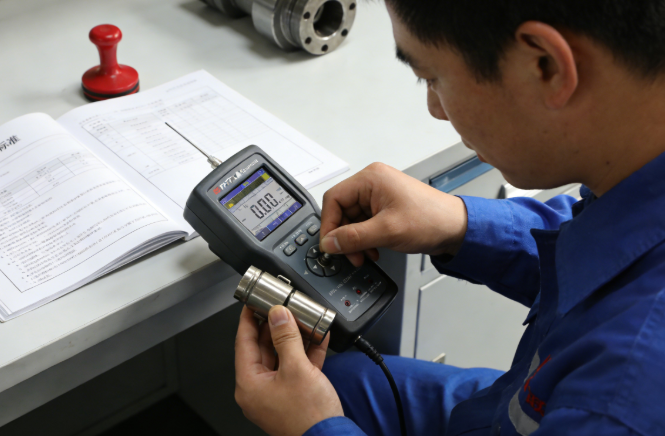
Before leaving the factory, products need to undergo visual inspection, functional testing, and necessary performance verification. Comparing the test results with standard requirements allows for a direct assessment of whether the product meets quality requirements. A complete inspection process helps ensure that delivered tools have stable performance.
Conclusion
Downhole tool manufacturers need to control multiple aspects, including design compliance, manufacturing process control, and pre-shipment inspection, to determine whether product quality meets standards. Standardized quality assessment methods effectively guarantee product performance and safety, and lay the foundation for a good market reputation for the company.