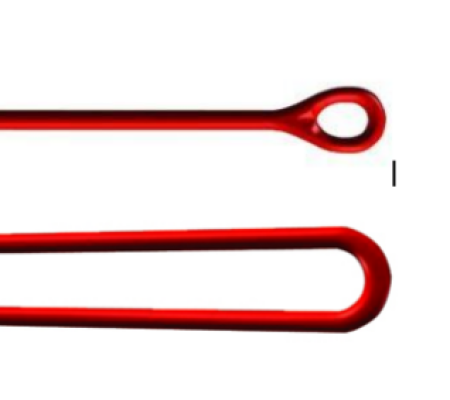
In oil and gas wellhead operations, Elevator Links are a critical component of wellhead tools, responsible for bearing the weight of the tubing and connecting the elevator clamp to the hook. The correct installation of Elevator Links directly affects the safety and efficiency of wellhead tubing operations. However, in practice, many field operators often make mistakes during installation, which can prevent the Elevator Link from achieving its full load capacity and may create safety hazards. This article explains how to avoid common installation mistakes by focusing on pre-installation preparation, proper installation procedures, and frequent pitfalls.
Adequate Preparation Before Installation
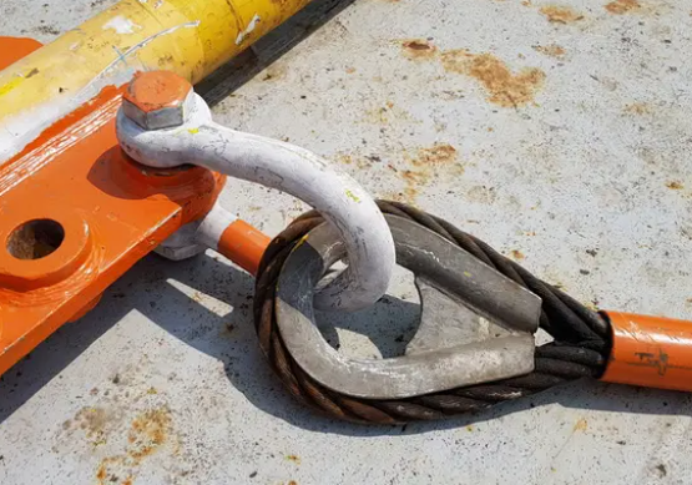
As a load-bearing component, preparation before installing an Elevator Link is essential. First, verify that the Elevator Link model and specifications match the wellhead equipment, ensuring the rated load meets the actual lifting requirements. Second, inspect the Elevator Link and threads for any cracks, wear, or corrosion. Installation tools and fasteners should comply with standards, including torque tools and lock nuts, to prevent under-tightening.
Operators should also be familiar with the installation manual and wellhead procedures, clearly understanding the force direction and lifting path. This ensures that the Elevator Link can safely handle both static and dynamic loads during tubing raising and lowering operations.
Follow Proper Installation Procedures
Following correct procedures during installation is critical for safety. First, ensure the mounting surface is flat, preventing uneven contact between the threads and the wellhead interface that can cause eccentric loading. The threads of the Elevator Link must be fully engaged and tightened to the manufacturer-recommended torque value for uniform load distribution.
Additionally, the Elevator Link should be aligned with the tubing lifting direction to avoid side loading or angular stress, which reduces effective load capacity. After installation, a pre-load check should be performed: gently lift the tubing to confirm that the Elevator Link remains stable and secure. For multi-point lifting operations, verify that the load is evenly distributed across all Elevator Links to prevent single-point overload.
Common Installation Mistakes and How to Avoid Them
Ignoring Thread Engagement: Some operators may not fully screw in the Elevator Link or may under-tighten to save time. The solution is to strictly follow the manual and confirm torque with a torque wrench.
Incorrect Force Direction: Installing the Elevator Link at an angle misaligned with the tubing lifting direction can cause eccentric loading and stress concentration. Ensure proper alignment during installation and allow the Elevator Link to rotate freely to accommodate lifting angle changes.
Installing on Uneven or Weak Surfaces: Mounting on surfaces with unevenness or insufficient strength reduces load capacity and may cause material yielding. Use reinforcement plates or adjust the mounting surface to ensure stability.
Neglecting Regular Inspections: Elevator Links may wear, corrode, or develop fatigue cracks during high-frequency operations. Preventive measures include keeping inspection records and regularly checking threads, the ring body, and rotating components.
Additional Tips to Enhance Installation Safety
Use Specialized Installation Tools: Avoid makeshift tools; always use proper torque wrenches designed for Elevator Link installation.
Calibrate Loads for Multi-Point Lifting: For heavy tubing operations, simulate the load beforehand to verify Elevator Link placement and balanced stress distribution.
Train Operators: Provide regular training so field personnel understand Elevator Link functionality, installation procedures, and load characteristics, improving adherence to safety standards.
Conclusion
The safety and load capacity of Elevator Links in wellhead operations depend not only on their material and design but also on correct installation procedures. Through thorough preparation, proper installation, avoiding common mistakes, and regular inspections and training, operators can maximize load efficiency, reduce risks during wellhead tubing operations, and extend the service life of Elevator Links. Standardized installation ensures safer, more reliable operations, providing a solid foundation for wellhead lifting tasks.