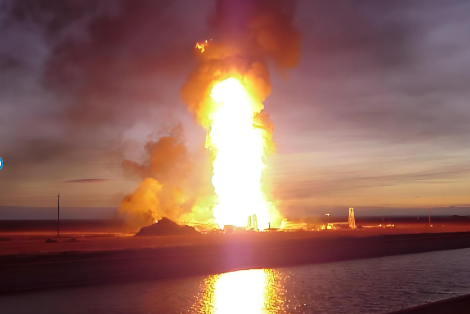
In the complex engineering of oil and gas exploration and development, blowouts are like a ‘Sword of Damocles’ hanging over drilling operations. These catastrophic events, caused by the uncontrolled gushing of formation fluids, not only damage equipment and cause casualties, but can also lead to environmental pollution and ecological disasters.
Precise Pressure Control
The essence of a blowout is an imbalance between formation pressure and wellbore pressure. Therefore, establishing a scientific pressure management system is fundamental to blowout prevention.
Intelligent Drilling Fluid Design
The drilling fluid density must precisely match the formation pressure gradient to form an effective fluid column pressure barrier. In ultra-deep well operations, ‘near-balanced drilling’ technology is used. By monitoring formation pressure data in real time, the drilling fluid density is dynamically adjusted to control the bottom hole pressure and formation pressure difference within a safe range (typically 1.5-3.5 MPa). Simultaneously, synthetic-based drilling fluids resistant to high temperatures (above 200℃) and high pressures (above 140 MPa) are developed to improve wellbore stability and prevent formation fluid intrusion.
Multi-dimensional Pressure Monitoring
An integrated geological-engineering monitoring platform is established, integrating technologies such as logging while drilling (LWD) and pressure measurement while drilling (PWD) to acquire key parameters such as formation pore pressure and fracture pressure in real time. Through a big data analysis model, bottom hole pressure data is updated every 30 seconds, and an early warning system is automatically triggered when the pressure deviation exceeds a threshold. This dynamic monitoring method reduces well control risk identification time to 1/10 of traditional methods, providing data support for timely intervention.
Equipment Upgrade
Modern drilling equipment is the ‘hardware foundation’ of blowout prevention and control, requiring a complete ‘prevention-monitoring-control’ protection capability.
Intelligent Blowout Preventer System
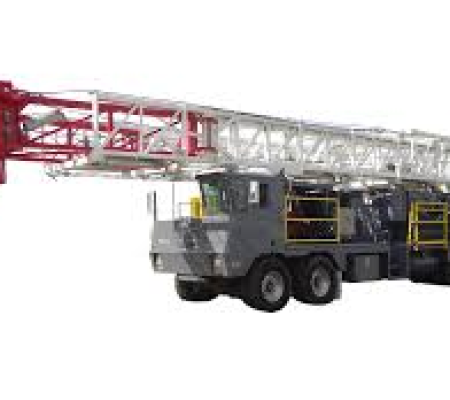
The blowout preventer (BOP) is the last line of defense for well control. Modern drilling rigs are equipped with fully hydraulic blowout preventer assemblies, which can complete wellhead closure within 30 seconds via a remote control console. Intelligent blowout preventers integrate pressure sensors and actuators, automatically identifying well kick signals and initiating the well shut-in procedure, with a response speed more than 60% faster than traditional equipment. Some advanced systems also possess self-diagnostic capabilities, enabling real-time monitoring of equipment status and early warning of potential faults.
Rotary Blowout Preventer (RBOP) Technology Innovation
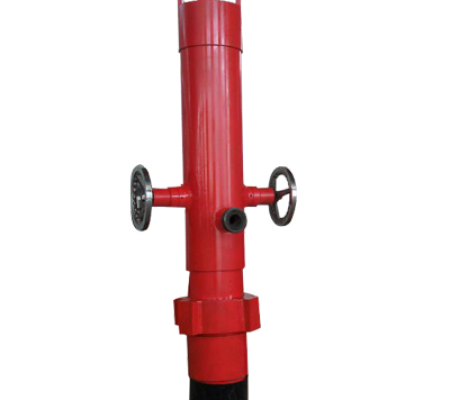
For underbalanced drilling scenarios, the rotary blowout preventer (RBOP) technology can achieve dynamic sealing while the drill string is rotating. High-pressure rotary blowout preventer assemblies have a pressure resistance rating of over 70 MPa. Combined with an intelligent choke manifold system, it can quickly adjust the annular pressure to maintain wellbore balance when wellhead pressure is abnormal. This technology significantly reduces the incidence of well kicks in underbalanced drilling while improving drilling efficiency.
Operating Procedures: Strengthening Human Factor Control
Even the most advanced equipment requires strict operating procedures. Human error is a major cause of well blowout accidents.
Standardized Operating Procedures
Establish a standardized four-stage process: ‘on-duty observation – overflow warning – shut-in procedure – well control.’ Drilling fluid operators are required to record the drilling fluid return volume every 15 minutes, and immediately trigger an alarm when the fluid volume change exceeds 1 cubic meter. Well shut-in operations follow the ‘soft shut-in’ principle (shutting down the flow valve first, then the blowout preventer) to avoid pressure surges damaging the equipment. All operational steps are recorded electronically for traceability.
Comprehensive Emergency Response Capability Building
A well control skills tiered certification system is implemented, requiring all on-site personnel to pass both theoretical and practical examinations. A well control simulation chamber has been established, using virtual reality (VR) technology to recreate blowout scenarios, requiring employees to complete well shut-in operations within 3 minutes. Regular ‘blind’ emergency drills are conducted without prior notice of the drill time and scenario; by 2023, the industry average emergency response time had been reduced to less than 8 minutes.
Technological Innovation
As exploration and development expands into deepwater and deep-seated areas, traditional well control technologies face new challenges.
Deepwater Well Control Solutions
Deepwater drilling needs to cope with complex environments characterized by low temperatures (<4℃) and high pressures (>100MPa). The developed deepwater well control integrated system employs a dual-gate blowout preventer + ROV (Remotely Operated Vehicle) maintenance solution, enabling rapid wellhead sealing at depths of up to 3000 meters. Through modular design, the system supports remote control and autonomous operation, significantly improving the safety of deepwater operations.
Unconventional Resource Development Technology
For unconventional resources such as shale gas and tight oil, a ‘micro-flow monitoring + intelligent throttling’ technology has been developed. By embedding fiber optic sensors within the drill string, minute overflows of 0.1 cubic meters per hour can be detected. The intelligent throttling system automatically adjusts the annulus pressure based on real-time monitoring data, achieving ‘precise well control.’ This technology reduces the overflow detection time in unconventional wells from 2 hours to 15 minutes.
Blowout prevention is a systems engineering project requiring collaboration across four dimensions: technology, equipment, management, and personnel. From the inheritance of traditional experience to the empowerment of intelligent technology, the industry has spent decades reducing the blowout accident rate to extremely low levels, but safety is a never-ending journey.