In oil and gas development, blowouts are among the most dangerous operational incidents, potentially causing injuries, equipment damage, and environmental pollution. The wellhead, serving as the interface between the subsurface well and the surface system, is a critical barrier against blowouts. Scientific selection and proper operation of wellhead equipment are key measures to reduce blowout risks. This article explores the role, types, and strategies of wellhead tools for effective blowout prevention.
1. Core Role of Wellhead Equipment in Blowout Control
The primary function of wellhead equipment is to withstand downhole pressure and quickly shut off fluid flow in abnormal situations. Blowout preventers (BOPs), safety valves, ball valves, and packers can block oil and gas flow when downhole pressure spikes, protecting personnel and surface equipment. With proper configuration and regular maintenance, wellhead tools serve as a “safety barrier,” effectively responding to sudden blowout events in high-pressure environments.
2. Key Role of Blowout Preventers
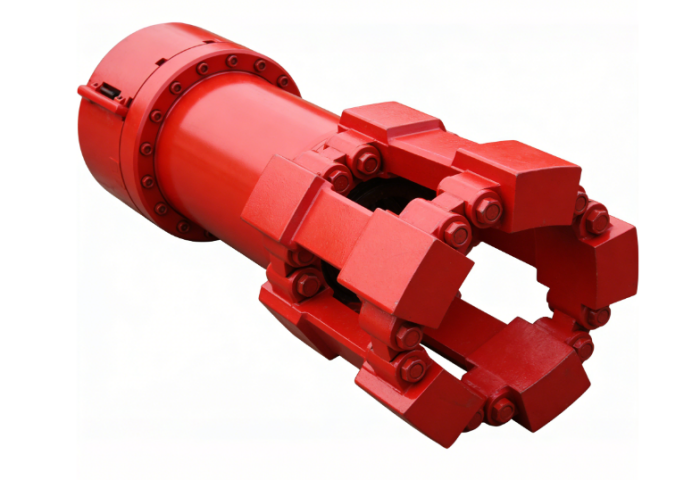
Blowout preventers are the core wellhead tools for blowout control, including casing BOPs, ram BOPs, and double-acting BOPs. During a blowout, they can quickly seal the wellhead, stopping oil and gas flow while allowing safe operation or evacuation of equipment. Selection should consider wellhead design pressure, formation pressure, and drilling fluid type to ensure adequate pressure rating and reliable sealing. Regular pressure testing and functional checks are essential to ensure immediate responsiveness in emergencies.
3. Auxiliary Role of Safety Valves and Ball Valves
In addition to BOPs, safety valves and ball valves are important tools for blowout prevention. Safety valves can automatically cut off fluid flow during abnormal pressure rises, reducing the load on the BOP. Ball valves allow rapid open/close operation during routine work, controlling fluid direction. Together with BOPs, they form a multi-layer protection system, enhancing the reliability of wellhead response to sudden blowouts.
4. Wellhead Equipment Selection Strategies
When addressing blowout risks, wellhead equipment selection should consider formation pressure, well depth, operational methods, and drilling fluid properties. For high-pressure deep wells, equipment with high pressure ratings and wear- and corrosion-resistant seals is preferred. For wells with solid-laden fluids, valves and seals with good abrasion resistance should be chosen. Operational flexibility and ease of maintenance are also critical to ensure rapid response and return to normal operations in emergencies.
5. Routine Maintenance and Testing to Ensure Safety
Even high-spec wellhead equipment cannot effectively prevent blowouts without proper maintenance. Routine inspections should include checking seal wear, valve responsiveness, pressure gauge accuracy, and BOP functionality. Regular testing and preventive maintenance help identify potential issues and reduce blowout risks. Establishing emergency operation procedures and conducting drills also ensures operators are familiar with the correct use of wellhead tools under critical conditions.
ConclusionBlowout risk is a constant safety concern in oil and gas operations. Proper selection, scientific configuration, regular maintenance, and emergency drills are core strategies for wellhead equipment to prevent blowouts. By forming a multi-layer protection system with BOPs, safety valves, and ball valves, operators can maximize operational safety and protect personnel, equipment, and the environment. For oil and gas companies, paying attention to wellhead tool performance and operational standards is essential for safe high-pressure operations and stable production.