In oil and gas development, wellhead equipment is critical for maintaining well integrity and controlling the flow of hydrocarbons. However, in low-temperature or frozen well environments, the risk of equipment failure significantly increases. Frozen wells not only accelerate mechanical wear but also cause material embrittlement, seal failure, and operational difficulties. Understanding why wellhead equipment is more prone to failure in low-temperature conditions is essential for proper equipment selection, maintenance, and on-site management.
Impact of Frozen Well Environments on Wellhead Equipment
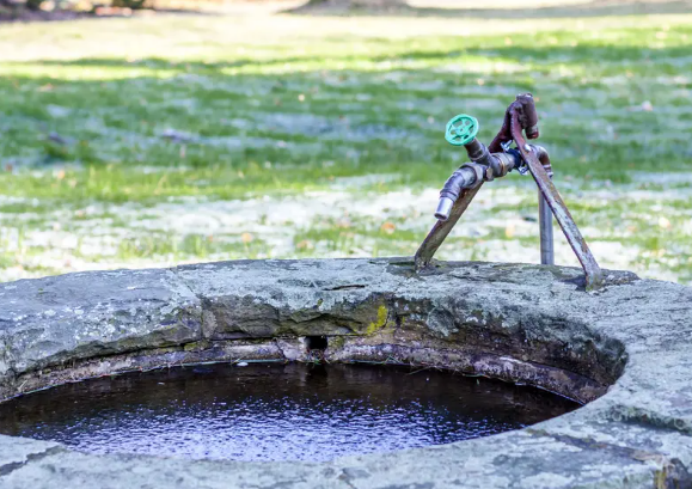
A frozen well refers to a well where the fluid temperature is extremely low, sometimes near or below the freezing point of water. Such conditions directly affect the materials and structure of wellhead equipment. Metal components lose toughness and impact resistance at low temperatures, making them prone to cracks or brittle fractures. Meanwhile, increased fluid viscosity in cold environments raises flow resistance, adding stress to wellhead equipment and further increasing the likelihood of failure.
Additionally, rapid temperature fluctuations or repeated freeze-thaw cycles can accumulate internal stresses, leading to fatigue failure. Seals and valves are particularly vulnerable, as thermal contraction and expansion may cause leaks or jamming, reducing operational reliability.
Material Embrittlement and Mechanical Failure
In low-temperature conditions, the ductility and toughness of common metals decrease significantly. This means that even when operating within the designed pressure range, equipment can fail due to brittle fracture. In engineering practice, steel valve bodies, connectors, and bolts in frozen wells have frequently been observed to develop cracks or breakages.
Sealing materials, such as rubber or polyurethane, also harden at low temperatures and lose elasticity, resulting in poor sealing performance. This not only compromises the reliability of operations but may also cause hydrocarbon leaks, increasing safety hazards.
Operational Load and Fluid Property Changes
High-viscosity fluids in frozen wells increase the operational load on wellhead equipment. Opening, closing, or rotating valves requires more force, and prolonged high-load operation accelerates mechanical wear. For components like gate valves or ball valves, frequent operation or sudden closure may cause internal parts to jam or break.
Furthermore, water present in low-temperature fluids may freeze, forming ice plugs or local crystallization, which can directly obstruct operation and reduce sealing effectiveness. This phenomenon is particularly common in winter oilfields or polar operations, making frozen wells a significant source of equipment failure risk.
Prevention and Maintenance Recommendations
To mitigate risks in frozen wells, it is crucial to select metals with high low-temperature toughness and seals resistant to low temperatures. Regular inspections should focus on bolt tightness, seal condition, and wear of moving parts. For high-load operations, low-temperature lubricants or preheating measures can help reduce mechanical wear and prevent jamming.
During design and construction, proper equipment selection, structural reinforcement, and optimized operational procedures can effectively reduce failure probability, enhancing operational safety and equipment longevity.
Conclusion
Wellhead equipment is more susceptible to failure in frozen wells due to material embrittlement, seal hardening, changes in fluid properties, and increased operational load. For operations in low-temperature environments, companies must combine professional failure analysis with engineering safeguards, selecting the right equipment, conducting regular maintenance, and optimizing operational processes. These measures ensure the long-term stable operation of wellhead equipment and reduce the risk of accidents.