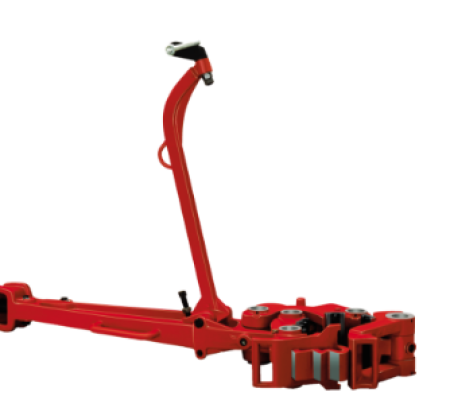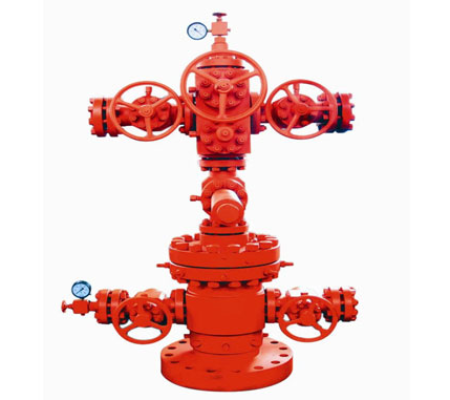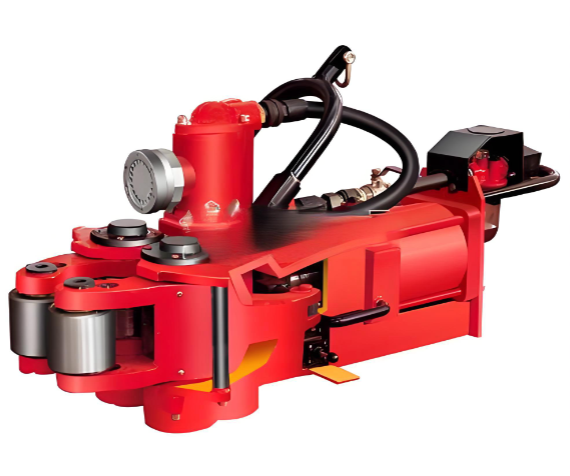
In oilfield operations, wellhead tools are core equipment that ensure both operational safety and efficiency. Proper operation and maintenance not only extend the service life of the tools but also help prevent safety accidents. Many incidents, however, are caused by improper handling or neglect of safety regulations. This article summarizes the top 10 safety taboos when using wellhead tools, providing guidance for companies and operators to improve operational safety.

1. Neglecting Equipment Inspection
Before each operation, a thorough inspection of wellhead tools is crucial, including threaded connections, seals, slips, and pressure-bearing components. Using tools with cracks, wear, or loose parts can lead to equipment failure or even blowouts. Establishing a standard inspection procedure and recording results is recommended for future maintenance reference.
2. Overloading the Tools
Every wellhead tool has a rated pressure and load capacity. Overloading accelerates component wear and may cause seal failure or breakage. Operators should strictly follow the manufacturer’s specifications and consider additional safety margins under complex well conditions to ensure safe operations.
3. Using Mismatched Tools
Different well types and operational environments require specific tool sizes, materials, and models. Using mismatched tools may result in poor gripping, seal failure, or reduced efficiency. Before selection, consider wellhead pressure, temperature, well depth, and operation type to ensure compatibility.
4. Ignoring Lubrication and Maintenance
Wellhead tools operate under high temperature, high pressure, and high friction. Lack of lubrication or long-term neglect accelerates wear and increases failure rates. Regularly lubricate moving parts, threads, and seals, and remove dirt or corrosion to extend tool life and ensure reliability.
5. Untrained Operators
Operators without proper training are prone to errors such as unstable gripping, insufficient torque, or incorrect assembly, increasing the risk of accidents. All personnel must master safety operation procedures, emergency handling, and basic tool maintenance to ensure safe and efficient work.
6. Improper Tightening
The tightening of wellhead tools directly affects seal performance and overall stability. Loose bolts can cause leaks, while overtightening may damage components. Follow manufacturer manuals and technical specifications strictly, and use torque-calibrated tools to ensure accuracy.
7. Ignoring Environmental Factors
Wellhead operations often involve high temperature, high pressure, corrosive substances, and changing weather conditions. Using tools that are not resistant to heat or corrosion may lead to material fatigue, seal failure, or breakage. Select high-quality materials that withstand extreme conditions and conduct regular inspections based on site environment.
8. Unauthorized Modification or Disassembly
Unauthorized modifications or disassembly of key components can compromise the structural integrity, reduce pressure resistance, and trigger accidents. All maintenance, modification, or disassembly should be performed by professional technicians following proper procedures.
9. Lack of Emergency Preparedness
Wellhead tools may encounter issues such as leaks, jamming, or breakage. Without an emergency plan, incidents can escalate. Companies should establish comprehensive emergency procedures, maintain backup tools, and regularly conduct drills to improve response capability.
10. Ignoring Records and Feedback
Inspection, maintenance, and fault records after each use are essential. Collecting and analyzing this data helps identify potential issues, optimize maintenance schedules, and provide references for future operations, reducing repeated failures and safety hazards.
Conclusion
The safe use of wellhead tools is directly related to the overall safety and efficiency of oilfield operations. Following these top 10 taboos and strictly implementing operational protocols, maintenance routines, and emergency management can extend equipment life and significantly reduce accident rates. Scientific, safe, and standardized use of wellhead tools is a key guarantee for smooth and efficient oil and gas operations.