In oil and gas exploration and development, drilling equipment serves as a core production tool, and its performance stability directly determines operational efficiency and cost-effectiveness. However, affected by high temperature, high pressure, high load, and complex geological conditions, drilling equipment is prone to wear, corrosion, fatigue, and other problems. Improper maintenance can significantly increase the risk of unplanned downtime. This article systematically outlines key considerations for drilling equipment maintenance from five dimensions: daily inspection, lubrication management, replacement of vulnerable parts, environmental adaptation, and personnel operation, providing companies with a practical maintenance guide.
Daily Inspection: Details Determine Success or Failure; Early Detection and Elimination of Hidden Dangers
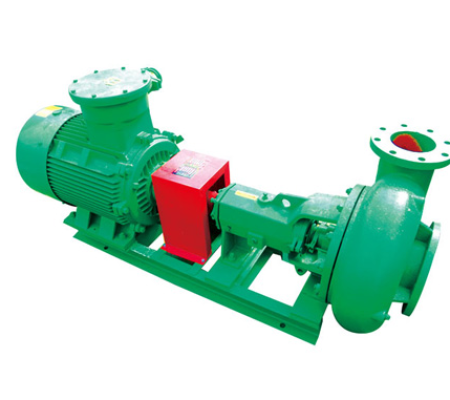
Daily inspection is the foundation of drilling equipment maintenance, covering the equipment’s operating status, key parameters, and potential hazards. For example, the fastening bolts of the drilling rig base should be checked daily for looseness to prevent structural displacement due to vibration; the brake pad thickness of the top drive system should be measured regularly, and if wear exceeds the limit (usually 1/3 of the original thickness), it must be replaced immediately to prevent brake failure and safety accidents. In addition, the hydraulic end of the mud pump requires a thorough inspection of the valve seat seal. If mud leakage or abnormal pressure fluctuations are found, the valve body must be disassembled, cleaned, and the seals replaced. For the hydraulic system, the oil level, temperature, and quality must be checked daily. If the oil is cloudy or contains metal shavings, it may indicate internal wear of the hydraulic pump or motor, requiring further testing and diagnosis.
Lubrication Management: Scientific Oil Selection and Precise Addition to Extend Equipment Life
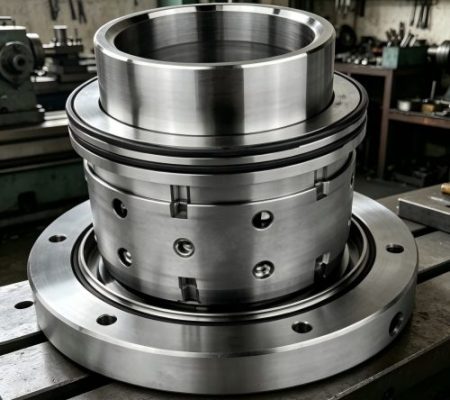
Lubrication is a core means of reducing equipment wear and lowering the failure rate. Drilling equipment requires the selection of appropriate lubricating oils based on operating conditions. For example, in high-temperature environments (such as well bottom temperatures exceeding 150°C), synthetic-based lubricating oils should be used, as their oxidation resistance and thermal stability are superior to mineral oils. High-load parts (such as drilling rig gearbox gears) require gear oils with added extreme pressure anti-wear agents (EP) to form an effective lubricating film. When adding lubricating oil, the “three fixed principles” must be strictly followed: fixed time (adding according to the maintenance cycle), fixed quantity (avoiding too much or too little), and fixed quality (using specified grade oils). For example, a drilling company once suffered a direct loss of over one million yuan due to mistakenly adding hydraulic oil to the top drive gearbox, causing gear scuffing and failure. Furthermore, it is necessary to regularly replace filter elements (such as hydraulic oil filters and engine oil filters) to prevent impurities from entering the lubrication system and causing secondary wear.
Replacement of Wear Parts: Establish an inventory early warning system to avoid significant losses due to minor issues.
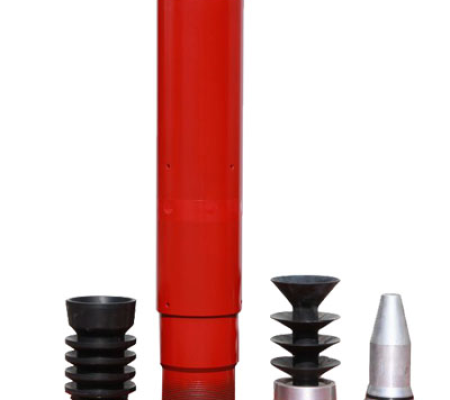
A dynamic inventory management mechanism should be established for wear parts of drilling equipment (such as drill bits, drill pipe joints, seals, bearings, etc.), setting safety stock levels based on historical consumption data and supplier delivery cycles. For example, as a consumable, the replacement frequency of drill bits is closely related to the formation lithology. More roller cone or PDC drill bits should be stocked in hard formations (such as granite), while inventory can be appropriately reduced in soft formations (such as sandstone). Seal replacement must strictly adhere to the “precautionary” principle. Even if the wear limit has not been reached, if aging (such as hardening or cracking of rubber) or deformation of the installation part is observed, it should be replaced in advance to avoid mud contamination or hydraulic system failure due to leakage. Furthermore, bearing replacement must be based on vibration monitoring data. If the vibration value exceeds the limits of the ISO 10816 standard, even if the design life (usually 2000-5000 hours) has not been reached, immediate replacement is necessary to prevent shaft damage from causing larger accidents.
Environmental Adaptability: Corrosion and Dust Prevention to Meet Extreme Operating Conditions
Drilling equipment often faces extreme environments such as deserts, oceans, and polar regions, requiring targeted protective measures. In marine environments, equipment needs to be coated with anti-rust primer and topcoat, focusing on protecting easily corroded parts such as electrical control cabinets and hydraulic valve groups. In desert environments, dust covers or sealing strips must be installed to prevent sand and dust from entering precision components such as motors and gearboxes, causing jamming or wear. For low-temperature environments (such as below -30°C), low-temperature lubricating oils (such as hydraulic oil with a pour point below -40°C) must be selected, and heating devices (such as oil tank heaters and pipeline heating tapes) must be provided to ensure oil flow during equipment startup. In addition, during the rainy season, it is necessary to strengthen the waterproof inspection of equipment, focusing on areas such as motor junction boxes and sensor interfaces to prevent short circuits or signal distortion caused by water ingress.
Drilling equipment maintenance is a systematic project that requires coordinated efforts from daily inspections, lubrication management, replacement of vulnerable parts, environmental adaptation, and personnel operation. Companies need to establish standardized maintenance procedures (such as SOP manuals) and improve the skills of maintenance personnel through training, assessment, and incentive mechanisms. Simultaneously, they should introduce intelligent monitoring technologies (such as vibration analysis and oil level detection) to upgrade maintenance from “experience-driven” to “data-driven.” Only in this way can equipment failure rates be minimized, providing stable and reliable equipment support for oil and gas exploration and development.