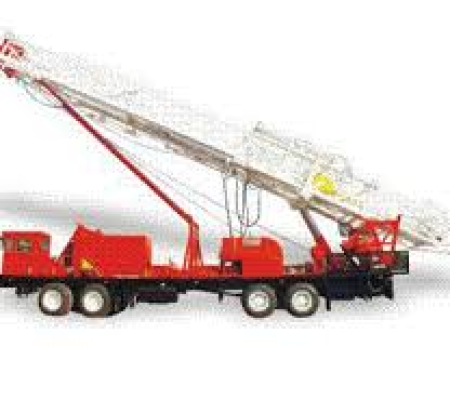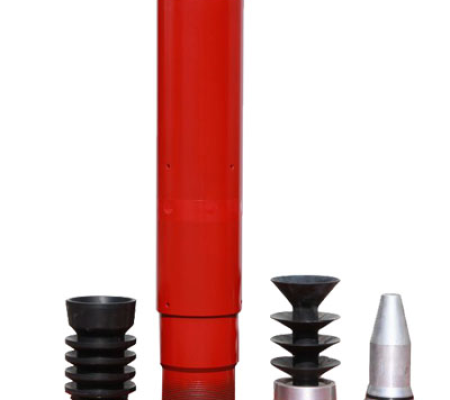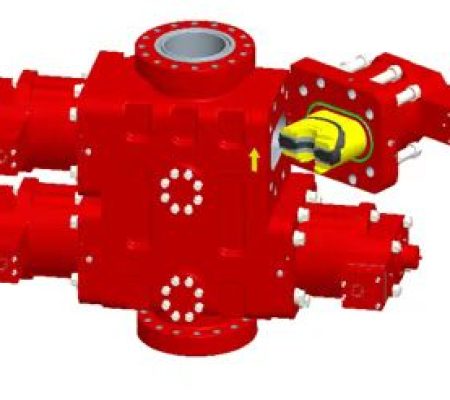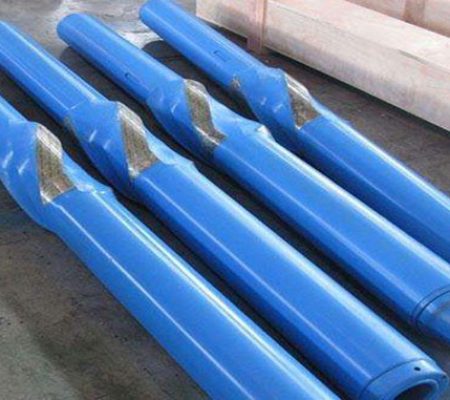

The complex and enclosed environment of downhole operations places higher demands on tool transportation. Downhole tools often vary in size and weight, and most are used in critical production processes. Damage, loss, or safety hazards during transportation can not only affect construction progress but also pose safety risks. Therefore, standardized management and meticulous control are required at every stage before, during, and after downhole tool transportation to ensure tool safety, personnel safety, and operational continuity.

Preparation Requirements Before Downhole Tool Transportation
Before starting downhole tool transportation, a comprehensive inspection of the tools themselves and the transportation conditions is necessary. Tools should be classified according to their purpose, specifications, and materials to avoid collisions or damage caused by mixed loading. Tools with sharp edges, precision structures, or vulnerable parts should be protected in advance through securing, wrapping, or reinforcement.
Simultaneously, the transportation route and method must be confirmed in advance, clearly defining the conditions of the downhole roadway, slope changes, and potential obstacles to ensure that the transportation equipment is compatible with the environment. Transportation personnel should be familiar with the weight of the tools and operating procedures to avoid safety issues caused by misjudgment.
Safety and Standards During Transportation
Stability is the most critical control factor during underground transportation. Tools should be placed stably on the transport vehicle with a reasonable center of gravity to prevent tipping or sliding. A constant speed should be maintained during transportation, avoiding sudden stops, sharp turns, or overloading to minimize impact on tools and equipment.
Personnel operation also requires standardization. Good communication and clear command signals should be maintained during transportation to prevent improper personnel positioning that could cause squeezing or collisions. When encountering narrow tunnels or limited visibility, the transportation pace should be slowed down to ensure each step is controllable and orderly.
Inspection and Management After Arrival
After tools are transported to the designated location, they cannot be used immediately. Necessary inspections and inventory checks should be conducted. Focus should be placed on confirming the tools’ appearance is intact, connections are not loose, and protective devices are complete to ensure the transportation process has not affected tool performance.
Simultaneously, tools should be placed according to on-site management requirements to avoid haphazard stacking that obstructs passage and operational safety. Tools not currently in use should be properly labeled and protected to reduce the risks associated with subsequent secondary handling and improve overall underground operation efficiency.
Conclusion
While downhole tool transportation may seem like a supporting step, it is integral to the entire downhole operation process. By preparing thoroughly before transportation, maintaining standardized procedures during transport, and strengthening management after delivery, we can not only reduce tool wear and safety hazards but also improve the stability and continuity of downhole operations. Paying attention to every detail of downhole tool transportation is a crucial foundation for ensuring safe production and efficient operations.