Mechanical seals are key components in industrial equipment, preventing fluid leakage and are widely used in pumps, compressors, and other equipment. As a high-performance material, silicon carbide, with its unique physical properties, demonstrates irreplaceable value in the field of mechanical seals.
Superior Hardness and Wear Resistance Extend Seal Life
Silicon carbide has a Mohs hardness of 9.2, second only to diamond, meaning it has excellent wear resistance. On the surface of a high-speed rotating sealing ring, ordinary metals or rubber materials are easily worn due to friction, leading to seal failure. However, silicon carbide sealing rings can maintain a smooth surface even under continuous high-speed friction, effectively reducing the risk of leakage. This characteristic is particularly suitable for high-speed, high-pressure operating environments, such as chemical pumps and seawater desalination equipment, significantly extending the replacement cycle of seals and reducing maintenance costs.
Ability to Adapt to Harsh Operating Conditions
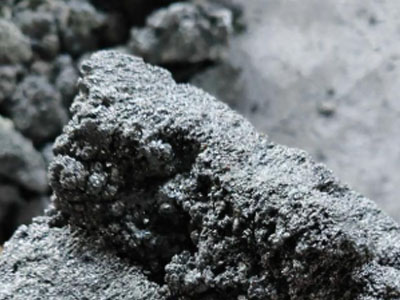
Silicon carbide has excellent thermal stability and can operate stably in high-temperature environments above 1200℃, far exceeding the temperature resistance limits of ordinary metal materials. Under high-temperature conditions, ordinary sealing materials are prone to deformation or aging, while silicon carbide maintains shape stability and sealing performance. Furthermore, silicon carbide exhibits extremely strong corrosion resistance to chemical media such as acids, alkalis, and salts, allowing for long-term use even in highly corrosive fluids. For example, in seawater containing chloride ions or acidic chemical liquids, silicon carbide seals can prevent corrosion and perforation, ensuring safe equipment operation.
Enhancing Sealing Efficiency through Low Friction Coefficient
Silicon carbide has a smooth surface and a low coefficient of friction, forming an extremely low-friction interface when used in combination with matching materials (such as carbon graphite). This low-friction characteristic not only reduces heat loss at the sealing surface but also lowers equipment energy consumption. In equipment requiring frequent start-ups and shutdowns, the low-friction characteristic also reduces wear and impact during startup, protecting the sealing structure. Simultaneously, the quiet operation resulting from low friction improves the comfort of equipment operation, making it particularly suitable for noise-sensitive industrial environments.
Lightweight Design and Thermal Expansion Matching
Silicon carbide has a density of only 3.1 g/cm³, far lower than metals such as stainless steel. This lightweight characteristic helps reduce the inertial mass of sealing components, improving equipment response speed. More importantly, silicon carbide’s coefficient of thermal expansion is close to that of its mating material (such as carbon), maintaining the stability of the sealing gap during temperature changes and preventing seal failure due to thermal expansion and contraction. This thermal matching characteristic allows silicon carbide seals to maintain reliable sealing performance even under conditions with large temperature differences.
Alignment with Green Industrial Trends
Silicon carbide materials are recyclable and can be recycled after their life cycle through processes such as crushing and remelting, reducing resource waste. Compared to traditional sealing materials containing heavy metals or toxic substances, silicon carbide has a smaller environmental impact during production, use, and recycling, aligning with current industrial requirements for green manufacturing and low-carbon development. This environmentally friendly characteristic makes silicon carbide seals highly favored in industries with strict hygiene requirements, such as food and pharmaceuticals.
Silicon carbide materials, with their multiple advantages such as hardness, temperature resistance, corrosion resistance, and low friction, have demonstrated strong application potential in the field of mechanical seals. With advancements in material preparation technology and cost reductions, silicon carbide seals are gradually expanding from high-end industrial sectors to a wider range of civilian equipment, becoming an important choice for improving equipment reliability, reducing maintenance costs, and achieving green manufacturing.