In mineral development, engineering construction, and energy exploration, geological exploration is the most critical step before a project begins, and drilling rigs are the core equipment used to complete exploration work. Different formation conditions, drilling depths, and construction environments require different types of rigs. If the selection is inappropriate, it may not only affect sampling quality but also reduce construction efficiency or even damage equipment. Therefore, understanding what types of drilling rigs are commonly used in geological exploration is essential for improving both efficiency and accuracy.
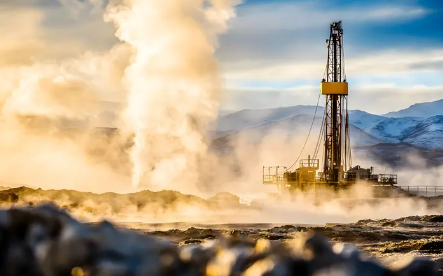
Common Types of Drilling Rigs in Geological Exploration
In actual exploration projects, different rigs are widely used depending on geological conditions.
- Portable shallow drilling rigs are used for soil sampling and shallow geological surveys
- Truck-mounted drilling rigs are suitable for medium-depth exploration with strong mobility and fast relocation
- Crawler-mounted rigs are ideal for complex terrains such as mountains, forests, or swamp areas
- Core drilling rigs are used to obtain intact rock core samples and are commonly used in mineral exploration
- Hydraulic drilling rigs are suitable for complex formations and provide stable and efficient drilling
Different rig types meet different exploration requirements.
Rig Selection Based on Drilling Depth
Drilling depth is a key factor in selecting the appropriate rig, as different depths require different configurations.
- Shallow drilling rigs are generally used for soil and environmental surveys within tens of meters
- Medium-depth rigs can reach several hundred meters and are used for preliminary mineral exploration
- Deep core drilling rigs can reach depths of over a thousand meters for deep ore body detection
- Ultra-deep rigs are used for special energy exploration or scientific geological research
The deeper the drilling requirement, the higher the equipment performance demand.
Rig Selection Based on Geological Conditions
Different geological structures require different rig performance characteristics.
- Soft formations are suitable for auger or percussion drilling rigs
- Hard rock formations require high-torque core drilling rigs
- Complex mixed formations often use hydraulic or combined drilling systems
- High water-content areas require rigs with anti-collapse and mud circulation systems
Geological conditions determine rig structure and configuration.
Rig Selection Based on Power Systems
The power system directly affects field adaptability and operational efficiency.
- Diesel-powered rigs are widely used in remote areas without electricity
- Electric rigs are suitable for fixed sites with stable power supply
- Hydraulic-driven rigs offer precise control for high-accuracy exploration tasks
- Hybrid power systems improve energy efficiency and adapt to complex working conditions
Power selection influences both cost and stability.
Rig Applications for Different Exploration Tasks
Different exploration objectives require different equipment configurations.
- Mineral exploration typically uses core drilling rigs to obtain high-quality samples
- Geological surveys often use lightweight portable rigs for efficiency
- Engineering investigations use truck-mounted or crawler rigs for mobility
- Scientific drilling projects use high-precision deep drilling rigs for structural data collection
The exploration goal determines the equipment configuration.
There is no single answer to what type of drilling rig should be used for geological exploration. The selection depends on formation conditions, drilling depth, and construction environment. From portable rigs to deep core drilling systems, and from truck-mounted units to hydraulic rigs, each type has its own advantages in practical applications. In engineering practice, selecting the right drilling rig not only improves sample quality but also significantly enhances construction efficiency and safety. As exploration technology continues to evolve, drilling rigs are moving toward smarter, more modular, and more adaptable designs, providing more accurate and reliable support for modern geological exploration.