Wellhead tools are among the most fundamental and critical pieces of engineering equipment in oil and gas development. They connect and protect the wellbore, enabling proper pressure control, production safety, and operational efficiency at the wellhead. Whether in drilling, completion, workover operations, or routine production, every stage depends on wellhead tools. Because different types of tools serve different functions, understanding their classifications and roles helps engineers make better decisions in tool selection, maintenance, and safety management. Below is a systematic overview of common wellhead tool types from the perspective of structure, function, and application scenarios.
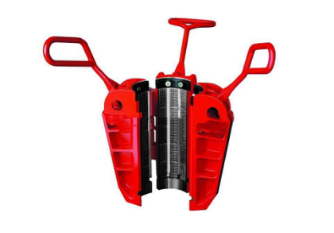
1. Wellhead Assembly Tools
Wellhead assemblies form the core structural component of the wellhead system. They include casing heads, tubing heads, and Christmas trees.
Casing heads support multiple layers of casing and ensure long-term sealing between strings.
Tubing heads hold the tubing string, withstand pressure, and maintain wellhead sealing.
Christmas trees regulate production flow, provide pressure monitoring, and enable control operations.
These components often operate under high pressure and heavy loads, requiring excellent material strength and precise machining.
2. Well Control Tools
Well control tools manage wellhead pressure and prevent blowouts, making them essential for operational safety. The primary devices include:
Blowout Preventers (BOPs): Close the well rapidly in abnormal pressure conditions.
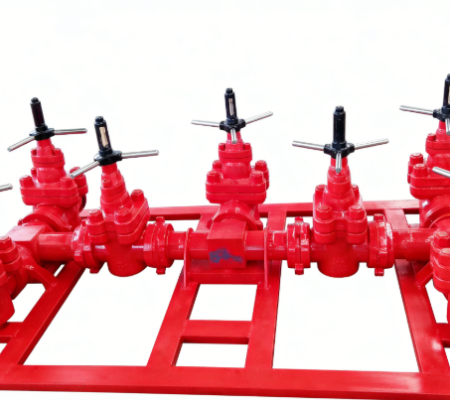
Choke manifolds: Stabilize bottom-hole pressure by adjusting choke valves.
Kill manifolds: Pump high-density kill fluid into the wellbore to control pressure.
The performance of well control equipment directly determines the safety level of field operations.
3. Connection and Fastening Tools
These tools ensure secure connection and sealing between wellhead components. Common tools include flanges, clamps, threaded connections, and quick connectors.
Flanges are the most widely used for pressure-bearing joints.
Clamps and quick connectors allow rapid assembly and disassembly.
Threaded connections are common in pipelines and auxiliary lines.
Choosing the right connection tool is essential for maintaining sealing integrity and structural stability of the wellhead system.
4. Measurement and Monitoring Tools
Measurement tools monitor wellhead parameters in real time, providing essential data for safe operations. Typical instruments include pressure gauges, temperature sensors, flowmeters, and level indicators. These devices continuously track key indicators such as wellhead pressure, temperature, and production rate. With growing digitalization, many monitoring tools now support wireless transmission and intelligent analytics, delivering more accurate and visible wellhead data.
5. Maintenance and Auxiliary Tools
These tools support installation, disassembly, and routine inspection. Examples include wellhead wrenches, pullers, seal-testing tools, and guide tools. While they are not directly involved in production, they are crucial for maintaining wellhead stability and operational efficiency. For instance, seal-testing tools verify the sealing performance of wellhead components, while pullers simplify the removal of tightly fastened parts.
6. Tools for Special Working Conditions
High-temperature, high-pressure, sour-gas, and offshore environments require specialized wellhead tools.
H₂S-resistant tools use materials that prevent sulfide stress cracking.
High-temperature, high-pressure (HTHP) tools meet the demands of deep and ultra-deep wells.
Offshore wellhead tools emphasize corrosion resistance and salt-spray durability.
These tools often cost more and follow stricter standards, but they are vital for stable and safe production in challenging environments.
Conclusion
In summary, wellhead tools are diverse and highly functional, covering wellhead assemblies, well control devices, connection components, monitoring instruments, maintenance tools, and specialized equipment for extreme environments. Understanding their functions and classifications helps engineers make accurate tool selections, enhance well control safety, extend equipment life, and improve overall operational efficiency. As the oil and gas industry advances, wellhead tools continue to evolve toward greater intelligence, modularity, and resilience, making them even more indispensable in future wellhead operations.