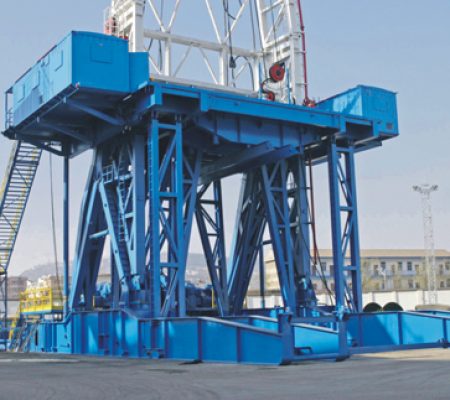
In oil drilling operations, the drilling rig, as the core equipment, directly affects extraction efficiency and cost. However, due to factors such as complex geological conditions, high-intensity operations, and equipment aging, drilling rig failures are frequent. Mastering scientific fault diagnosis methods can quickly locate the root cause of problems, reduce downtime, and provide a solid guarantee for oil extraction. The following systematically analyzes the diagnostic logic of common oil drilling rig failures from three aspects: fault types, diagnostic procedures, and typical cases.
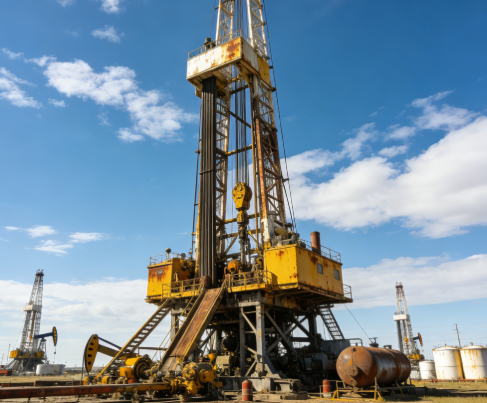
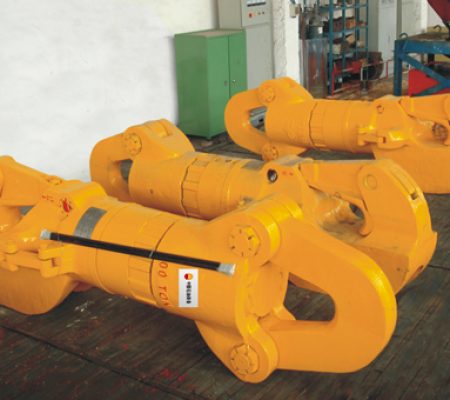
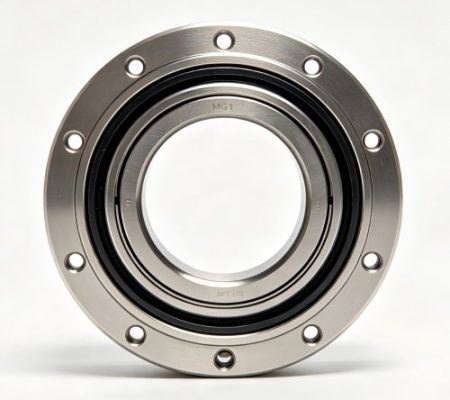
Oil drilling rig failures can generally be divided into four categories: mechanical failures, hydraulic failures, power system failures, and instrument control failures. Mechanical failures often manifest as wear, deformation, or breakage of components, such as loose drill string connections or misalignment of the clamp centerline. These failures can be quickly identified through visual inspection or simple measurements. Hydraulic failures involve oil leaks, abnormal pressure, or sluggish operation of actuators, requiring initial judgment by checking oil pipe connections, seal condition, and oil cleanliness. Power system failures mainly involve diesel engines, commonly manifesting as starting difficulties, insufficient power, or abnormal vibration, requiring comprehensive analysis in conjunction with fuel quality, fuel supply system, and cylinder sealing. For instrument control malfunctions, it’s necessary to check sensor signals, wiring connections, and control modules to ensure accurate data transmission.
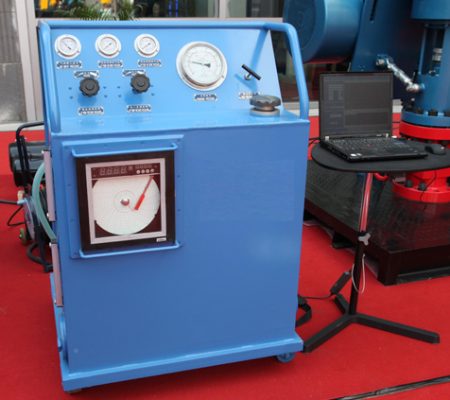
The diagnostic process should follow the principle of “from outside to inside, from simple to complex.” First, visually inspect the equipment for oil leaks, component deformation, or loosening. Second, use hearing to judge the equipment’s operating sounds; abnormal friction or impact sounds may indicate mechanical faults. Next, sense temperature changes by touch; excessively high hydraulic oil temperature may indicate poor heat dissipation or oil contamination. Finally, use specialized tools for in-depth testing, such as using a pressure gauge to measure hydraulic system pressure or using an endoscope to inspect cylinder wear. For example, when a diesel engine is difficult to start, first check the battery charge, starting speed, and cylinder sealing, then gradually check fuel quality, fuel injection timing, and injector condition to avoid blind disassembly and secondary damage.
In a typical case, a drilling rig suddenly experienced insufficient power and black smoke from the exhaust pipe during operation. Technicians quickly located the problem using a four-step method: visual inspection, listening, touching, and checking. Visual inspection revealed a severely clogged air filter, causing insufficient air intake. Listening revealed a muffled diesel engine sound, further confirming incomplete combustion. Touching the abnormally high temperature of the exhaust pipe confirmed the suspicion of poor exhaust flow. Finally, by checking fuel quality and injector atomization, a fuel system fault was ruled out, and the cause of insufficient air intake was determined to be a clogged air filter. Replacing the filter element restored normal operation. In another case, the drilling rig’s hydraulic system pressure suddenly dropped. Technicians first checked for loose oil pipe connections, finding no leaks. Pressure gauge testing revealed that the main pump’s output pressure was below the standard value. Further disassembly revealed severely worn plungers inside the pump. Replacing the parts restored stable system pressure.
Diagnosing oil drilling rig faults requires combining equipment characteristics with the operating environment and flexibly utilizing various testing methods. Regular maintenance, including checking oil levels, tightening connections, and cleaning filters, can effectively prevent most faults. When facing complex faults, maintaining composure and avoiding blind operation, along with utilizing professional tools and accumulated experience, can significantly improve diagnostic efficiency. Scientific diagnosis and timely maintenance can not only extend the service life of equipment, but also provide strong support for the continuity and safety of oil extraction, thus contributing to the high-quality development of the energy industry.