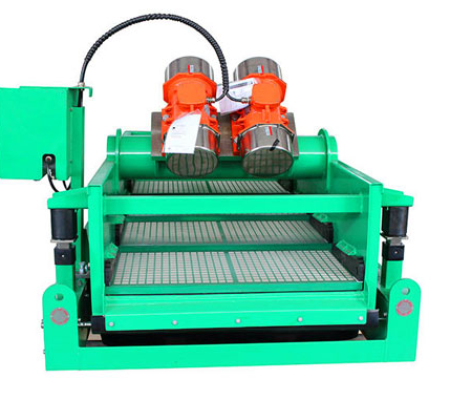
Gas intrusion is a common problem in drilling and mud circulation systems. When gas enters the mud, it not only affects the mud density but can also cause abnormal pressure in the circulation system, thus impacting drilling safety and equipment stability. As a crucial component of mud treatment equipment, the vacuum degasser can quickly separate gas from the mud, helping to restore mud properties and improve the stability of the entire circulation system.
Vacuum Degassers Separate Gas Through Negative Pressure
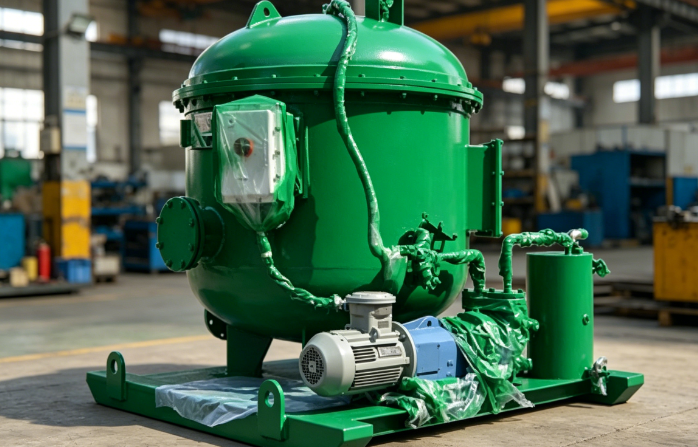
The core working principle of a vacuum degasser is to utilize a negative pressure environment to rapidly release gas from the mud. When gas-laden mud enters the equipment, a low-pressure space is created. Under the pressure difference, the bubbles in the mud rapidly expand and burst, then are expelled from the equipment through the exhaust system. During this process, the mud undergoes dispersion and flow treatment, making it easier for internal gas to be released. After degassing, the mud density gradually stabilizes, reducing the impact of gas intrusion on the drilling system. A stable degassing process also helps improve the efficiency of subsequent mud circulation.
Removing Gas Invasion Helps Restore Mud Performance
Gas invading mud significantly impacts its performance, and vacuum degassing machines can help improve this situation.
- It can restore mud density stability.
- It helps reduce residual air bubbles.
- It improves mud circulation.
- It reduces the impact of gas on equipment pressure.
- It helps maintain stable drilling system operation.
Timely degassing can reduce the operational risks caused by declining mud performance.
Vacuum Systems Improve Degassing Efficiency
The rapid processing of gas-invaded mud by vacuum degassing machines is closely related to the internal vacuum system. The vacuum pump maintains a low-pressure environment during operation, making it easier to separate gases from the mud. Insufficient vacuum prevents sufficient release of air bubbles, affecting the overall degassing effect. In actual operation, the equipment typically works continuously with the circulation system, allowing mud to continuously enter the degassing zone. Continuous degassing effectively reduces the gas content in the mud and improves system stability. For high-intensity drilling environments, a stable vacuum significantly improves processing efficiency.
Proper Operation Reduces the Impact of Gas Intrusion
To ensure the stable operation of the vacuum degasser, daily operation and parameter adjustments are crucial.
- Maintain stable operation of the vacuum system.
- Control mud flow within a reasonable range.
- Regularly inspect the exhaust system.
- Avoid prolonged overloading of the equipment.
- Clean internal residual impurities promptly.
Proper operation not only improves degassing efficiency but also helps reduce equipment malfunctions.
Regular Maintenance Helps Maintain Equipment Stability
After long-term treatment of gas-intruded mud, the internal system of the vacuum degasser may experience wear, blockage, or decreased sealing performance. Therefore, maintenance is critical. Regularly inspecting the vacuum pump, filtration system, and exhaust structure helps maintain stable operation. Observing changes in the equipment’s vacuum level also allows for timely detection of operational abnormalities. Lack of maintenance can lead to decreased degassing efficiency, affecting mud treatment results. Proper maintenance and regular inspections can extend the equipment’s lifespan and ensure the stable operation of the drilling mud circulation system.