In modern drilling engineering systems, the drilling derrick is a critical structural component that supports the entire drilling rig. It not only bears the weight of drilling tools and the hoisting system but also directly affects the safety and efficiency of drilling operations. From shallow geological exploration to deep energy development, the derrick always plays a central role in the equipment system. While many people focus more on the power system or drill bit, in reality, the stability of the derrick often determines whether the entire system can operate reliably. Therefore, understanding its function is very important.
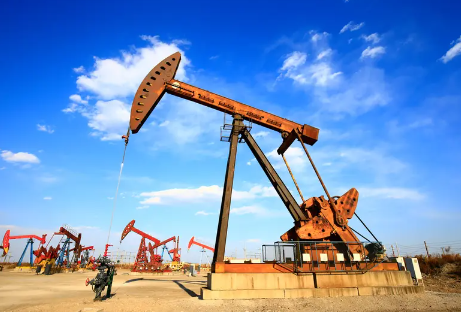
Fundamental Role in Supporting Drilling Equipment Structure
The most essential function of the drilling derrick is to provide a stable structural support system for the rig.
- Carries the weight of drill pipes, drill bits, and the hoisting system
- Provides installation space for the top drive system and crown block
- Ensures vertical stability of drilling tools during operation
- Maintains structural integrity under high-load conditions
- Distributes mechanical stress generated during drilling
Structural strength determines the load-bearing capacity of the entire rig.
Key Role in Tripping and Hoisting Operations
During frequent tripping operations, the derrick is essential for the proper functioning of the hoisting system.
- Works with the hoisting system to lift and lower drill pipes
- Provides a stable support point for pulley and wire rope systems
- Improves tripping efficiency and reduces downtime
- Lowers manual labor intensity and enhances operational safety
Tripping efficiency is highly dependent on derrick stability.
Ensuring Safe and Stable Drilling Operations
Drilling environments are complex and highly loaded, making derrick stability crucial for safety.
- Maintains structural stability under strong wind or harsh conditions
- Prevents tool swing that could cause equipment damage or accidents
- Supports wellhead equipment and ensures continuous operation
- Enhances resistance to impact and vibration
- Reduces safety risks caused by structural fatigue
Safety performance is a key design requirement for derricks.
Structural Adaptability to Different Drilling Conditions
Different construction environments require different rig configurations, and derricks must be adaptable.
- Compatible with truck-mounted, trailer-mounted, and stationary rigs
- Adjustable structure for different drilling depths
- Some derricks feature foldable designs for easier transportation
- Suitable for both shallow exploration and deep drilling projects
Flexibility expands the application range of the equipment.
Key Factor in Improving Overall Drilling Efficiency
The derrick is not only a support structure but also influences overall operational efficiency.
- Optimizes tripping processes and reduces auxiliary time
- Improves coordination efficiency between rig components
- Reduces failure rates and increases continuous operation capability
- Supports automation systems and improves operational accuracy
- Enhances overall drilling system stability
High-performance derricks contribute significantly to drilling efficiency.
The drilling derrick plays an irreplaceable foundational role in the entire drilling system. It not only determines structural stability but also affects tripping efficiency and operational safety. From load-bearing capacity to adaptability, from structural safety to overall efficiency improvement, the derrick is involved in multiple key stages of drilling operations. As modern drilling technology continues to evolve toward deeper and more intelligent systems, requirements for strength, lightweight design, and reliability are also increasing, making the derrick an even more critical component in high-efficiency drilling systems.