In high-risk media transfer and mixing equipment, the cooling and lubrication system of double mechanical seals is a critical factor in ensuring seal performance and equipment safety. A well-designed cooling and lubrication system not only extends seal life but also maintains stable operation under extreme conditions such as high pressure, high temperature, or vacuum.
Basic Concepts
Role of Cooling and Lubrication in Double Mechanical Seals
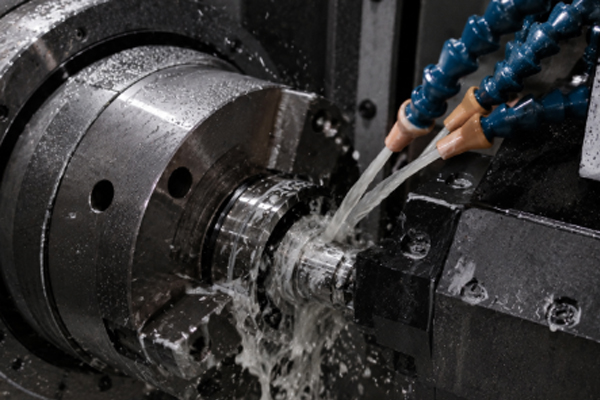
During operation, a double mechanical seal has two pairs of friction surfaces that are in continuous contact, generating frictional heat. If this heat is not dissipated in time, the seal faces may overheat, resulting in seal failure or damage. The cooling system removes heat through circulating barrier fluid or cooling medium, while the lubrication system forms a thin film between the friction surfaces to reduce wear and lower the friction coefficient, ensuring long-term stable operation of the seal faces.
Additionally, the barrier fluid can form a pressure buffer under high-pressure conditions to prevent medium leakage.
Basic Components of the Cooling and Lubrication System
A typical cooling and lubrication system for a double mechanical seal includes:
Barrier fluid reservoir: Provides a constant flow and pressure source
Circulation pump: Ensures continuous flow of barrier fluid
Cooling device: Maintains barrier fluid temperature within a safe range
Pressure regulating valve: Controls barrier fluid pressure to balance seal face loading
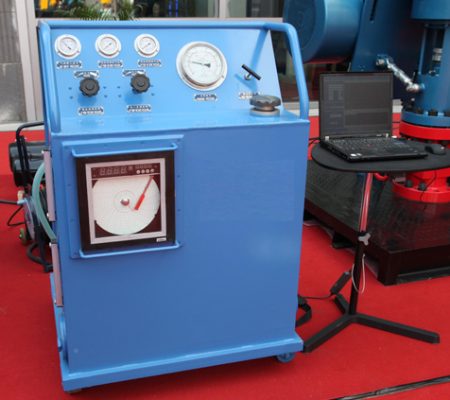
Flow and temperature monitoring devices: Enable operational status monitoring
All components work together to ensure the seal faces are both cooled and lubricated while resisting external pressure fluctuations and medium corrosion.
Implementation Process
Determine Cooling and Lubrication Requirements
During equipment design, the cooling and lubrication requirements of the seal should be evaluated based on the medium’s properties, operating pressure, rotational speed, and temperature range.
For example:
- High-viscosity or high-temperature media generate more frictional heat, requiring higher flow rates and lower-temperature barrier fluid
- Highly corrosive media require chemically stable barrier fluids or cooling media
Once the requirements are clarified, the barrier fluid circulation system and cooling devices can be designed accordingly.
Configure the Barrier Fluid Circulation System
The barrier fluid system must ensure stable flow within the seal chamber. The process includes:
- Installing circulation pumps and coolers
- Connecting barrier fluid piping, ensuring no leaks or blockages
- Setting up pressure control devices to maintain barrier fluid pressure above the medium pressure
- Adjusting flow and temperature to stabilize seal chamber temperature and pressure
Accurate configuration in this stage is essential for effective cooling and lubrication performance.
System Commissioning and Trial Operation
After installation, the system must undergo trial operation, including checks on barrier fluid flow, temperature, pressure, and circulation uniformity. If temperature is too high or flow is insufficient, adjustments should be made to pump speed, cooling water supply, or piping layout. The goal is to ensure that, under full-load operation, the seal face temperature remains within acceptable limits and friction is properly lubricated.
How to Achieve Optimal Cooling and Lubrication?
Barrier Fluid Pressure Control
Barrier fluid pressure should be slightly higher than the medium pressure to form a safe pressure gradient.
Too low: Medium may flow back into the seal chamber, increasing leakage risk
Too high: Increases frictional load on seal faces, accelerating wear
Therefore, pressure regulation devices must be precise and equipped with pressure sensors for real-time monitoring.
Barrier Fluid Temperature Management
Seal face temperature directly affects material life and sealing performance. The barrier fluid temperature should remain within the allowable range of the materials (generally below 80°C, depending on materials) and maintain minimal fluctuations. Cooling can be achieved through coolers, heat exchangers, or circulating water systems, combined with temperature sensors for online monitoring.
Flow and Circulation Uniformity
Insufficient flow or uneven circulation can cause localized overheating, wear, and seal failure. The system should have smooth piping with no dead zones, and flow meters should monitor actual flow to ensure all seal faces receive adequate cooling and lubrication.
Material Selection and Lubricant Compatibility
Barrier fluid must be compatible with both the seal materials and the process medium to avoid chemical reactions or corrosion.
Common combinations include:
Seal faces: Silicon carbide, ceramic, graphite, or high-performance rubber
Barrier fluid: White oil, glycerin, or process-compatible liquids
Poor material-lubricant compatibility reduces seal performance and shortens service life.
Online Monitoring and Maintenance
High-end industrial equipment is often equipped with sensors for pressure, temperature, and flow to enable real-time monitoring. Early detection of insufficient barrier fluid, temperature anomalies, or circulation problems through alarms and data analysis helps prevent seal damage and production downtime.
Frequently Asked Questions
Q: Must the cooling fluid in a double mechanical seal circulate continuously?
A: Yes. Continuous circulation removes frictional heat, provides uniform lubrication to the seal faces, and maintains barrier fluid pressure to prevent medium leakage. Stopping circulation quickly leads to overheating and seal damage.
Q: Is barrier fluid temperature control strict?
A: Yes. Excessively high temperatures reduce seal material life and may cause seal failure; excessively low temperatures can increase medium viscosity, affecting circulation efficiency.
Q: How should barrier fluid type be selected?
A: Based on the chemical properties of the medium and seal materials to ensure chemical compatibility, high-temperature resistance, lubrication performance, and pressure transmission capability.
The cooling and lubrication system of a double mechanical seal is a core component for ensuring the safe operation of equipment under high-risk conditions. Through stable barrier fluid circulation, precise pressure control, and temperature management, frictional heat can be effectively reduced, wear minimized, and seal life extended. Particularly when handling toxic, flammable, volatile media or operating under high-pressure or vacuum conditions, a well-designed cooling and lubrication system ensures reliable sealing, prevents leakage, and protects both personnel and the environment.