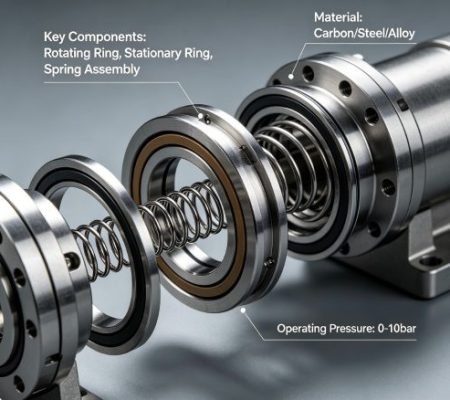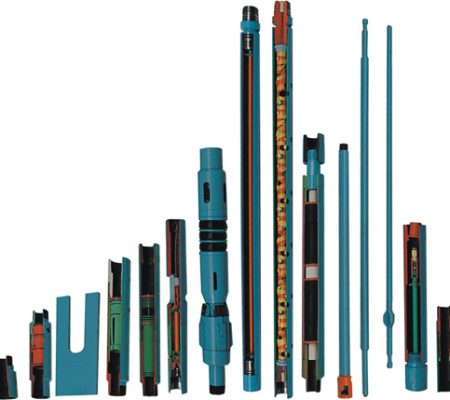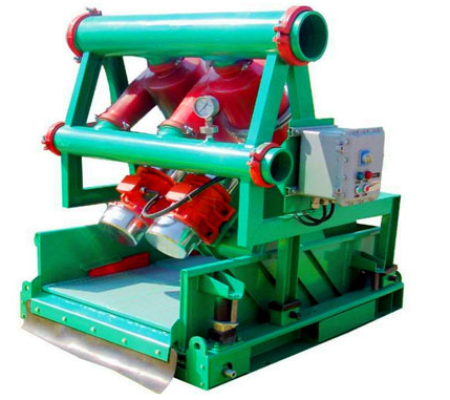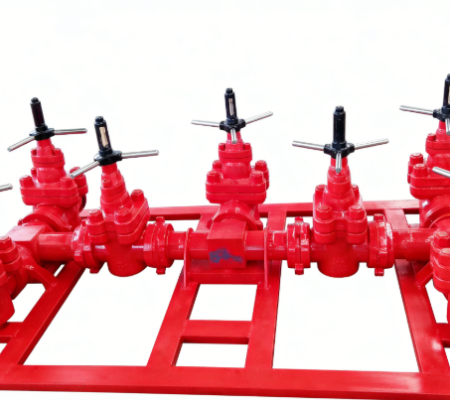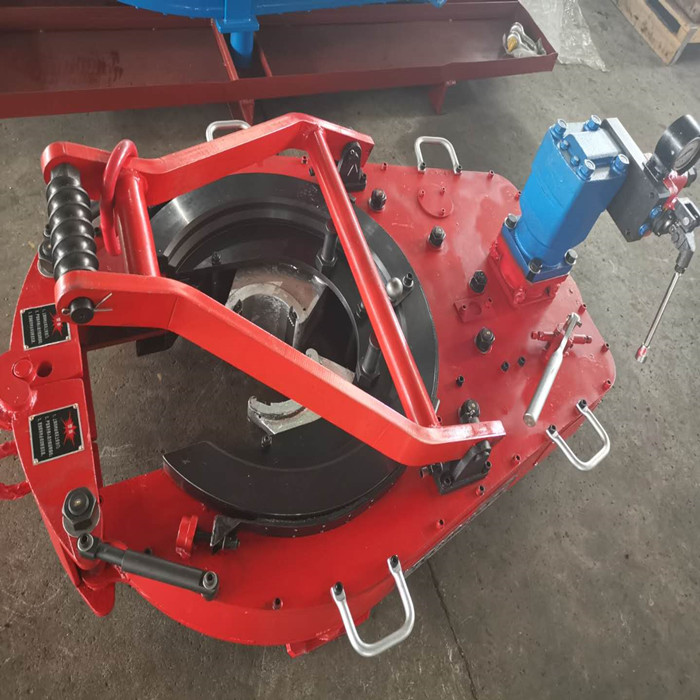
Wellhead tools are critical equipment in oil and gas operations, and their packaging and storage directly affect their service life, performance stability, and operational safety. Whether during transportation, long-term storage, or on-site standby, improper packaging or storage conditions can lead to corrosion, seal damage, or mechanical deformation, increasing the risk of tool failure. Scientific and proper packaging and storage not only protect the equipment but also improve on-site efficiency and reduce maintenance and replacement costs. This article outlines the key requirements for packaging, storage environment, labeling management, and periodic inspection of wellhead tools.

Packaging Requirements
Wellhead tools should be packaged using moisture-proof, shock-resistant, and corrosion-resistant materials during manufacturing, transportation, or temporary storage. Metal flanges, valves, and threaded connections can be packed in wooden crates, steel frames, or protective films, with internal cushioning to prevent impact damage. Seals and fragile components should be packaged separately to avoid contact with hard metal surfaces. During packaging, all movable parts should be closed or secured to prevent displacement or damage caused by transportation vibrations.
Storage Environment Requirements
Wellhead tools should be stored in a dry, well-ventilated, and temperature-controlled environment, avoiding prolonged exposure to humidity, salt spray, high temperatures, or direct sunlight. Indoor storage should use level surfaces with moisture-proof pads to prevent direct contact with the floor. For outdoor storage, waterproof and dustproof covers should be used, and drainage should be ensured to prevent water accumulation and metal corrosion. Controlling the storage environment is essential to prevent rust, seal aging, and mechanical deformation.
Labeling and Management
All packaged and stored wellhead tools should have clear labels, including tool model, specifications, pressure rating, usage instructions, and manufacturing date. Proper labeling facilitates quick on-site identification and deployment and reminds personnel to follow safety and operational guidelines during handling and installation. For long-term storage, records should be periodically updated to maintain traceability and ensure efficient inventory management.
Periodic Inspection and Maintenance
Even when stored, wellhead tools require regular inspections of external surfaces, seals, and movable parts. Rust, dirt, or minor deformation should be addressed immediately through cleaning, anti-corrosion treatment, or part replacement. Regular inspection ensures that tools remain in optimal condition before use and helps extend their service life.
Conclusion
Packaging and storage of wellhead tools are crucial for ensuring stable performance and prolonging service life. By implementing proper packaging, protective storage conditions, clear labeling, and routine inspection and maintenance, engineers can effectively reduce damage during transportation and storage, enhancing tool reliability and safety. As the oil and gas industry advances toward higher standards, safety, and intelligent operations, standardized packaging and storage management will become a key foundation for long-term, stable wellhead operations.