Downhole operations are characterized by complex environments, great depths, and high risks. Therefore, the configuration of key equipment is crucial in any mining or oil and gas well construction. Only with complete, professional, and reliable downhole equipment can the smooth progress of construction, the safety of personnel, and the execution of the entire project as planned be ensured. Generally speaking, downhole work involves multiple processes such as hoisting, securing, cutting, cleaning, and inspection, thus requiring diverse and specialized equipment. The equipment needed may vary depending on the working conditions, but some types are universal and indispensable.

Basic operating tools are indispensable for downhole operations, such as clamps and hydraulic clamps for securing and holding. Clamps are mainly used for gripping, tightening, and loosening tubing strings and are one of the most frequently used tools in daily downhole construction. Hydraulic clamps provide higher clamping force and stability, and are more reliable and safer than traditional manual clamps in environments requiring high torque or high-intensity operations. The core value of this type of equipment lies in providing precise and secure securing capabilities, ensuring the safety of operators and improving the efficiency of the entire operation process. Secondly, hydraulic blasting machines play a crucial role in downhole cleaning, rust removal, and efficiency enhancement. Blasting not only quickly removes deposits from pipe surfaces but also improves the smoothness of subsequent operations. High-pressure blasting effectively reduces the risk of blockages, allowing the tubing string to run more smoothly in the well. The stability of the hydraulic blasting equipment’s performance, the controllability of the blasting force, and the quality of the wear-resistant nozzles directly affect the effectiveness of downhole cleaning, making it a critical piece of equipment that must be carefully selected.
In downhole directional drilling and stability control, stabilizers are also indispensable equipment. Stabilizers are typically used in conjunction with the drill string, primarily to maintain a stable wellbore trajectory, reduce deviation, and improve drilling quality. Without stabilizers, the drill string may deviate or become stuck in deep wells or complex formations, affecting efficiency and potentially posing significant operational risks. Selecting stabilizers of appropriate size, material, and structure can significantly improve the safety and controllability of the drilling process.
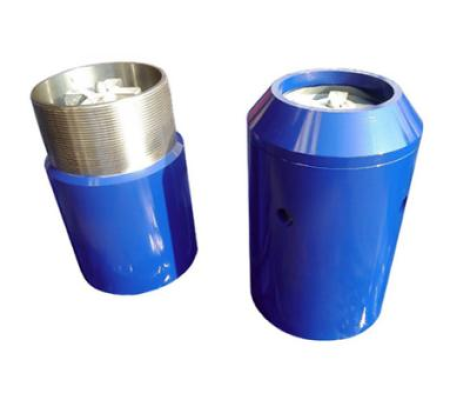
Downhole operations are inseparable from cement sealing, therefore, cement heads, as crucial cement injection equipment, are inevitably included in the list of essential downhole equipment. Cement heads are responsible for injecting cement stably and evenly into designated locations during the sealing process, ensuring wellbore stability and preventing fluid movement. Their sealing performance, pressure resistance, and structural reliability directly affect the long-term stability of the wellbore, making them vital devices in oil and gas wells and mining wells.
In addition to the aforementioned key equipment, downhole work often requires auxiliary equipment, such as lighting equipment, gas detectors, explosion-proof electrical equipment, and ventilation systems. Lighting and ventilation maintain visibility and safety in the downhole environment, while gas detectors are used to monitor hazardous gas concentrations in real time, preventing serious accidents such as explosions and poisoning. The presence of explosion-proof electrical equipment further ensures that electrical safety hazards do not occur in the operating area.
The equipment required for downhole work typically covers multiple areas including fixing, drilling, cleaning, sealing, and safety inspection, including various types of tools such as clamps, hydraulic sandblasting machines, stabilizers, cement heads, and detectors. Each type of equipment has a specific function and configuration requirements, and together they form the foundation for the safe and stable operation of underground engineering. Whether it is mining operations, oil well construction, or tunnel engineering, equipment planning should be based on actual working conditions to ensure that key equipment is complete, compatible, and reliable. This will make underground operations more efficient and safer, supporting the successful completion of the entire project.