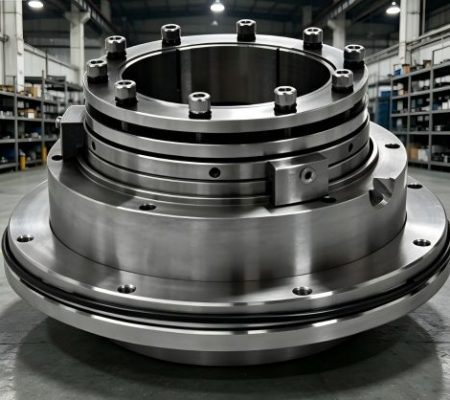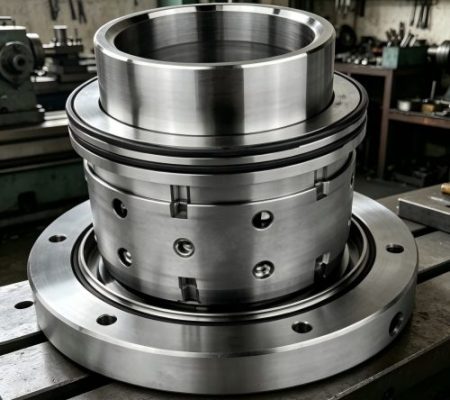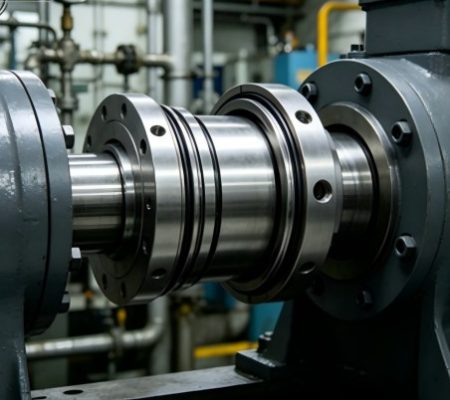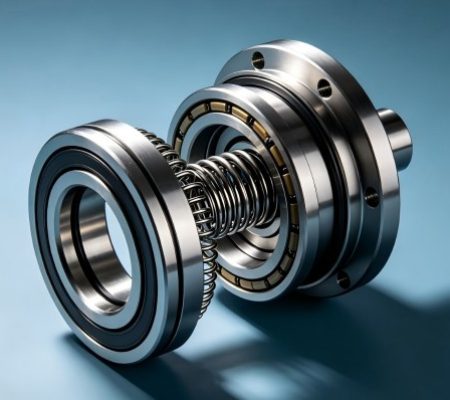
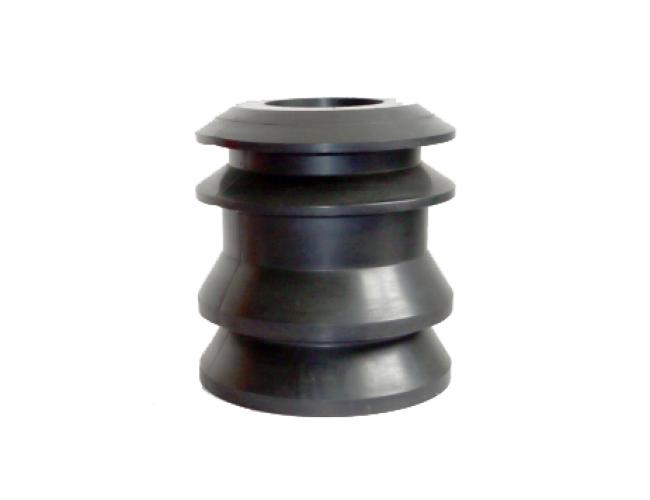
Cement plugs, as an indispensable key component in drilling operations, play a crucial role in sealing well sections and preventing fluid cross-contamination. The cement plug shown in the image is black in appearance and features a unique multi-layered conical structure. Its overall design is simple and practical, with a smooth surface reflecting sophisticated manufacturing processes, enabling it to adapt well to the complex working environment downhole. Its performance characteristics are detailed below:
Media Resistance:
The rubber plug used in the cement plug possesses excellent resistance to oil, acid, and alkali. During drilling, various oily substances, acidic or alkaline fluids are present in the well. Ordinary rubber is prone to expansion, softening, or corrosion in such environments, affecting sealing performance. However, the rubber plug of this cement plug can resist the erosion of these media, maintaining excellent physical and chemical properties, ensuring stable operation in complex media environments, and providing reliable protection for drilling operations.
Core Material Advantages:
The core materials of the rubber plug are selected from highly drillable aluminum alloys, polymer materials, or glass fiber materials. These materials not only possess high strength and hardness, capable of withstanding certain downhole pressures and mechanical forces, but also allow for relatively easy removal by the drill bit during subsequent plugging operations, minimizing wear on the wellbore and drill bit, thus significantly improving plugging efficiency and operational safety. Simultaneously, good drillability reduces the risk of stuck pipe during plugging, ensuring smooth operation.
Hydrostatic Pressure Performance:
The hydrostatic pressure of the rubber plug in clean water can be stably maintained at 1-2 MPa. This performance indicator means that in a clean water environment, the rubber plug can effectively prevent water penetration, ensuring the reliability of its sealing effect. In drilling operations, the pressure environment inside the well is complex and variable. Cement plugs need to possess good anti-permeability to prevent the mixing of fluids from different layers, which could affect drilling quality and subsequent production operations. This characteristic of the cement plug enables it to maintain stable sealing performance under various pressure conditions, meeting the actual needs of drilling operations.
Sealing Capacity:
The sealing capacity of the rubber plug inside the casing is not less than 10 MPa. In the high-pressure environment of downhole wells, cement plugs must withstand enormous pressure from the formation and well fluids to ensure reliable wellbore sealing. This cement plug, with its superior sealing capabilities, effectively prevents leakage of high-pressure fluids, maintains stable wellbore pressure, and provides a safe working environment for drilling, cementing, and other operations. It exhibits reliable sealing performance in both deep and ultra-deep wells, ensuring smooth operations.
Anti-rotation design:
The anti-rotation plug head matches the valve seat of the float ring or float shoe. This ingenious design effectively prevents the cement plug from rotating during drilling. During drilling operations, rotation of the cement plug can cause it to shift position, affecting the sealing effect and even damaging the wellbore. The anti-rotation design of this cement plug ensures it maintains a stable position during drilling, making drilling operations easier and more precise, improving efficiency and quality, and reducing the potential risks associated with cement plug rotation.
Main specification dimensions of ordinary cementing plugs:
| Specification | Outer Diameter (mm) | Remarks | Remarks |
| 4 1/2² | 108 | 180 | |
| 5² | 128 | 200 | |
| 51/2² | 135 | 200 | |
| 7² | 170 | 208 | |
| 7-5/8² | 185 | 208 | |
| 9-5/8²² | 235 | 218 | |
| 13-3/8² | 332 | 310 | |
| 20² | 495 | 380 |