External taps, as important cutting tools in thread machining, inevitably face wear, chipping, and surface fatigue due to their long-term operation in complex metallic environments. Their lifespan is further affected when the workpiece has high hardness or the working conditions are harsh. Therefore, understanding the common causes of wear on external tapers and mastering effective life extension techniques is crucial for improving machining efficiency and reducing costs. Especially in the harsh conditions of oil wells, where various tools experience more drastic cutting pressure and temperature changes, optimization and maintenance of external tapers are particularly critical. More scientific usage methods and professional collaborative support can ensure a stable and reliable production process.
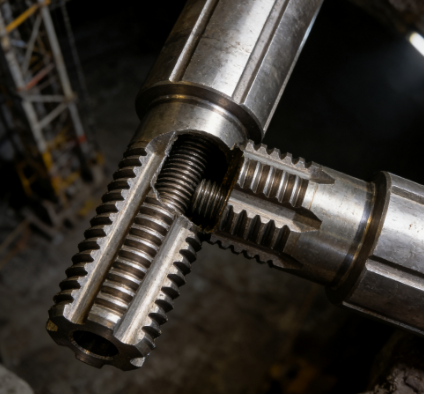
Main Causes of Wear on External Tapers
During the cutting process, external tapers endure continuous high-intensity friction, easily leading to wear and chipping near the cutting edge, which is the most direct source of wear. When the workpiece material is too hard, lubrication is insufficient, or the cutting speed is unreasonable, localized heating of the tool is aggravated, causing softening or even micro-cracks at the cutting edge. Meanwhile, during the thread forming stage, poor chip removal from the tap surface leads to increased cutting resistance, forcing the tool to bear more torque and causing fatigue spalling. Furthermore, incorrect clamping positions and machine tool vibration can also cause uneven stress on the cutting edge, making early wear more pronounced. The high-strength alloy materials used in the downhole industry, which inherently present significant machining challenges, subject external tapered taps to even harsher wear conditions in specific industries. Therefore, finding more professional technical support and partners is of practical significance for extending their service life.
Effective Techniques for Extending the Life of External Tapered Taps
When using external tapered taps, optimizing the machining process and usage habits can effectively extend their lifespan. First, before formal machining, ensure the workpiece material is clean to avoid impurities affecting cutting smoothness. Second, adjust the cutting speed and feed rate appropriately to keep the tap within a suitable stress range, preventing overheating and edge fatigue. Suitable lubricant can reduce friction and cutting resistance, keeping the tap cool under high-speed rotation. Meanwhile, selecting wear-resistant coatings for tools, ensuring clamping concentricity, and adopting more advanced machine tool control methods can significantly improve the overall stability of the cutting tools. In challenging machining scenarios such as oil wells, collaborating with qualified partners can yield more suitable tap materials, surface treatment processes, and application recommendations, ensuring stable tool performance even under extreme conditions. Professional teams can provide targeted maintenance strategies, allowing companies to operate with greater peace of mind and efficiency in continuous use.
Conclusion
Wearing of external tapered taps is a common and widespread problem, but by deeply understanding the causes of wear and incorporating scientific techniques into practical use, the tool’s lifespan can be significantly extended. For companies needing to maintain stable production in harsh oil well environments, in-depth cooperation with technically capable partners not only provides access to more wear-resistant and efficient tap products but also support in machining solutions and application guidance. Choosing the right partner will enable external tapered taps to perform more reliably in complex environments, providing long-term assurance for production quality and efficiency.