In the exploration and development of energy resources such as oil and natural gas, drilling equipment is core equipment, and its installation and commissioning quality directly affects the efficiency, safety, and cost of subsequent drilling operations. A properly installed and commissioned drilling rig can operate stably and drill accurately, providing a solid guarantee for energy extraction; conversely, it may lead to frequent malfunctions, schedule delays, and even safety accidents. Therefore, mastering the key points of drilling equipment installation and commissioning is crucial.
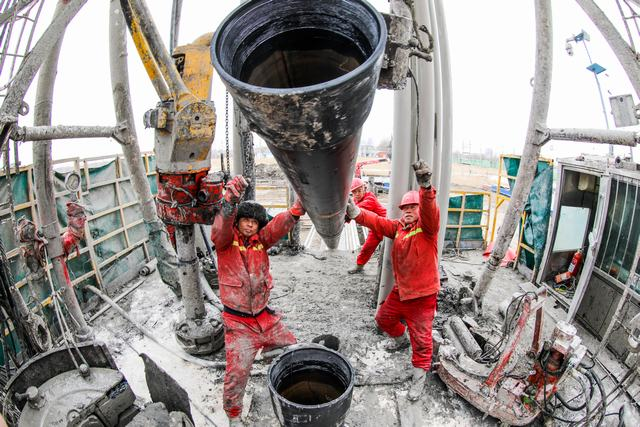
Preparatory work before installation is the cornerstone of the entire process. First, the installation site must be carefully planned and leveled to ensure it is solid, flat, and free of obstructions, capable of withstanding the weight of the equipment and vibrations during operation. Simultaneously, based on the equipment layout drawings, the foundation positions of each piece of equipment should be accurately measured and marked to provide precise reference for subsequent installation work. Furthermore, a comprehensive inspection of the equipment to be installed is necessary, verifying that the model, specifications, and quantity match the list, checking for any damage to the equipment’s appearance, and ensuring all parts are complete. Any problems discovered should be promptly communicated with the supplier to resolve them, avoiding equipment issues that could affect the installation schedule and quality.
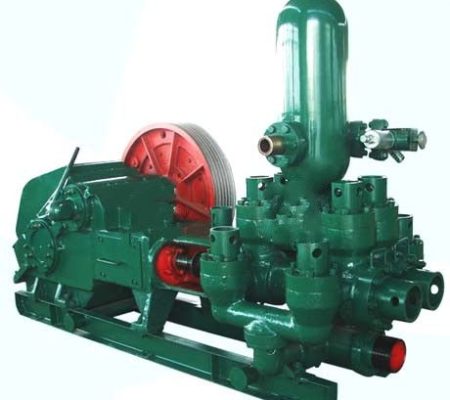
During equipment installation, precise positioning and secure fixing are key. For large drilling rigs, drilling pumps, and other core equipment, specialized lifting equipment must be used, and under the guidance of professionals, to accurately lift them to their designated positions. During placement, the process should be slow and steady to avoid collisions and impacts. After installation, high-precision measuring tools should be used to precisely adjust the equipment’s level and verticality to ensure the installation accuracy meets design requirements. Simultaneously, appropriate fixing methods, such as anchor bolts or welding, should be used to firmly secure the equipment to the foundation, preventing displacement and vibration during operation.
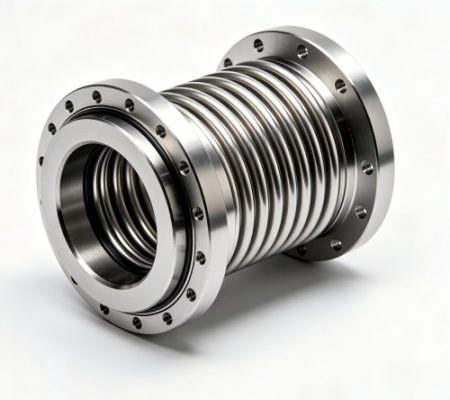
Pipeline connections and electrical wiring are also crucial aspects of the installation process. The piping system of drilling equipment includes hydraulic pipelines and mud pipelines, and the quality of these connections directly affects the normal operation of the equipment. When connecting pipelines, appropriate connection methods should be selected, such as flange connections or threaded connections, ensuring tight, leak-free connections. Attention should also be paid to the routing and layout of pipelines to avoid crossings and tangles, ensuring unobstructed and aesthetically pleasing piping. For electrical wiring, wiring must be strictly carried out according to the electrical schematic diagram, ensuring that the wire specifications and colors meet requirements, and that terminal connections are secure and tight. During wiring, care must be taken to protect the wires from mechanical damage and chemical corrosion.
After installation, commissioning is essential. Before commissioning, the equipment must be thoroughly cleaned to remove debris and dust. Then, following the equipment’s operation manual, perform individual unit commissioning step by step, checking the normal operation of various functions, such as motor rotation, pump flow rate, and pressure. After successful individual unit commissioning, perform integrated commissioning, simulating actual drilling operation conditions, and checking the coordinated operation between equipment to ensure the stable and efficient operation of the entire drilling system. During commissioning, detailed records of equipment operating parameters and commissioning status should be kept, and any problems discovered should be analyzed and addressed promptly.
The installation and commissioning of drilling equipment is a rigorous and meticulous process, requiring installers to possess extensive professional knowledge and practical experience. Only by strictly adhering to the installation and commissioning guidelines can reliable installation quality and stable operation of the drilling equipment be ensured, laying a solid foundation for subsequent drilling operations and contributing to the efficient and safe development of energy extraction.