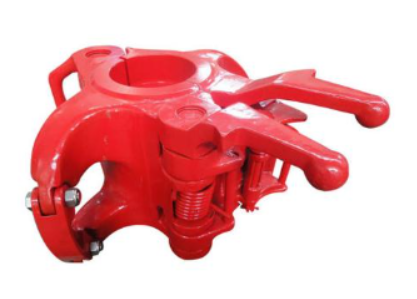
In oil and gas wellhead operations, the elevator link is a common wellhead tool used to connect elevators, hooks, and lifting systems. Choosing the correct model is critical for operational safety, efficiency, and equipment longevity. With various specifications, load capacities, and structural types available, many operators and procurement personnel are unsure how to select the right elevator link. This article provides a comprehensive guide to selecting the correct model based on practical field requirements.
The Role of Elevator Links in Wellhead Operations
Elevator links serve as essential load-bearing connectors in lifting systems. They are used during tripping, casing running, and drilling operations, where they must withstand sustained tension, impact loads, and stress fluctuations caused by repeated lifting cycles. Different operational conditions place different demands on elevator link specifications, so selecting a model that matches your specific work environment is essential.
Rated Load Capacity: The Primary Selection Criterion
The Working Load Limit (WLL) is the most critical parameter when selecting an elevator link. Well depth, tubular string weight, and operational type determine the required load capacity. When choosing a model, always consider the maximum expected load and include a reasonable safety margin to prevent long-term operation near the maximum capacity.
It is important to note that “bigger is not always better.” Choosing an excessively high-capacity elevator link may increase weight, reduce handling efficiency, and unnecessarily raise costs.
Structural Type Based on Operational Needs
Different operations may require different structural features. Some scenarios emphasize quick installation and removal, while others prioritize long-term stability and high load-bearing capacity. When selecting a model, ensure the elevator link’s connection type and interface match the elevator or lifting hook being used. Proper alignment reduces uneven stress and wear.
Additionally, consider the symmetry and load path design of the link. A well-designed structure helps minimize offset loads and extends service life.
Material and Manufacturing Quality Matter
Elevator links must withstand high loads, so material quality directly affects safety. High-quality elevator links are typically made from alloy steel with heat treatment to improve strength, toughness, and fatigue resistance.
When selecting a model, pay attention to the manufacturing process and whether critical areas have undergone reinforcement. Reliable manufacturing ensures consistent performance and reduces wear or deformation over time.
Dimensional Compatibility with On-Site Equipment
Beyond load capacity and structure, the dimensions of the elevator link are equally important. Overall length, pin hole diameter, and pin specifications must match existing on-site tools. Improper sizing may cause installation difficulties and interfere with elevator or hook operations.
Before purchasing, verify the dimensions against the on-site equipment, and consider custom models if necessary to ensure system compatibility.
Environmental Considerations for Model Selection
Wellhead operations often occur in harsh environments. Humidity, corrosion, and abrasive materials can accelerate wear. In highly corrosive or wet environments, choose elevator links with enhanced surface protection. For frequent lifting operations, fatigue-resistant designs are recommended to prevent premature failure.
Conclusion: Choosing the Right Model Ensures Safe Operations
Selecting an elevator link is not just about comparing specifications—it requires a comprehensive evaluation of load requirements, operational type, structural form, material quality, and environmental conditions. Proper selection ensures the elevator link operates safely, reliably, and efficiently over the long term. For procurement and field personnel, choosing the correct model is not only cost-effective but also a crucial safety measure.