1. Product Overview
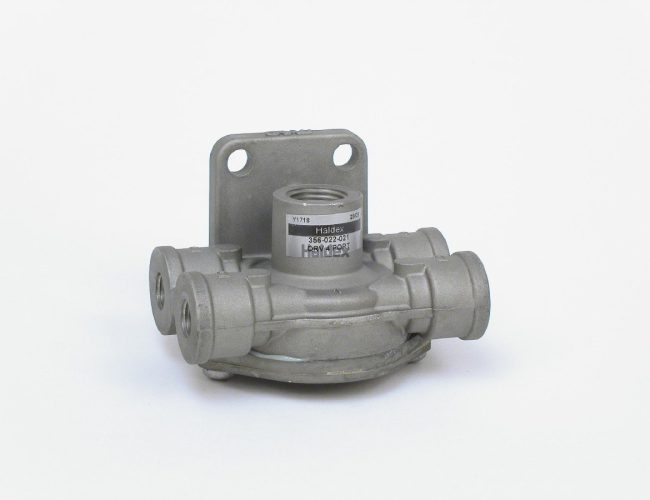
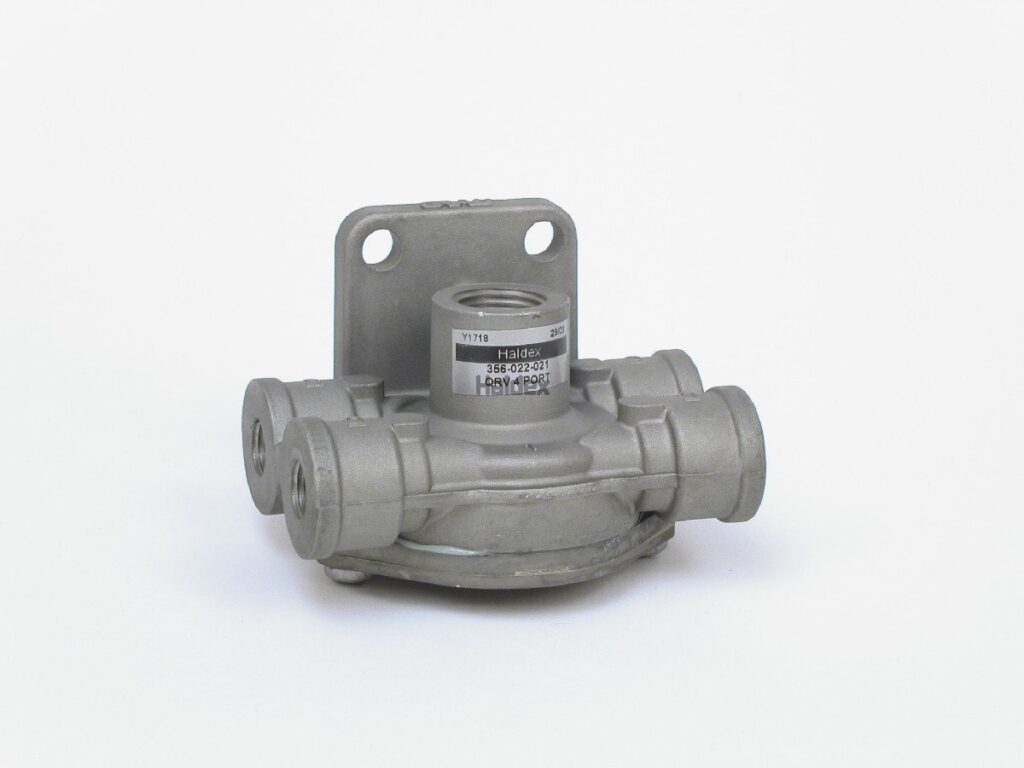
This comprehensive Quick Release Valve (QRV) list covers a full range of precision-engineered models, available in four key sizes—3/8″, 1/2″, 3/4″, and 1″—with core part numbers including 145406DE (3/8″ QRV w/ Metal Sleeve), 145407DE (1/2″ QRV w/ Metal Sleeve & Muffler), 145141DE (3/4″ QRV w/ Metal Sleeve), and 146506BD (1″ QRV w/ Steel Sleeve). Each QRV is specifically designed to fit and optimize the performance of exact OEM drilling and industrial equipment models, including drilling rig air clutches (Power Grip PO, NOV, Cameron), drawworks (NOV DW-14, DW-30, DW-42), rotary drives (Cameron RD-14, RD-24), air-actuated BOPs (Cameron Type U, Type C), and industrial air brake systems. These valves serve as critical air control components, ensuring fast, reliable pressure release for safe and efficient equipment operation.
2. Key Product Features
2.1 API-Certified Performance & Rapid Air Release
Every QRV in the list is fully certified to API 7K and SAE J1940 standards, with performance metrics tailored to each size and variant. The precision-machined poppet design ensures rapid air release, with response times ranging from 0.15 seconds (3/8″ models like 145406DE) to 0.2 seconds (1″ models like 146506BD)—critical for preventing gear clashing in air clutches and ensuring fast disengagement of BOPs. All valves are pressure-tested to 150 psi (10.3 bar), 25% above the maximum operating pressure (120 psi), to ensure leak-tight performance. For example, the 145407DE (1/2″ QRV w/ Metal Sleeve & Muffler) maintains zero leakage at 120 psi, while the 145141DR (3/4″ QRV w/ Rubber Sleeve & Muffler) delivers consistent release time even in saltwater environments.
2.2 Variant-Specific Designs for Universal Compatibility
The list includes a full range of tailored variants to match the exact needs of different equipment and air system configurations, eliminating the need for retrofitting:
– Metal Sleeve: Models like 145406DE (3/8″), 145407DE (1/2″), 145141DE (3/4″) feature a durable metal sleeve for rugged drilling environments, providing extra protection against impact and abrasion.
– Rubber Sleeve: Models like 145406DF (3/8″), 145407DF (1/2″), 145141DF (3/4″) have a rubber sleeve for vibration dampening, ideal for high-vibration equipment like rotary drives.
– With Muffler: Variants like 145406DR (3/8″), 145407DS (1/2″), 145141DS (3/4″), 146506BE (1″) include a built-in muffler to reduce air release noise (from 85 dB to 65 dB), complying with OSHA noise standards (≤85 dB).
– Inlet Pipe Thread: Models like 145406DG (3/8″), 145407DG (1/2″), 145141DG (3/4″) feature inlet pipe threads for easy integration with standard air lines, ensuring a secure, leak-free connection.
– With Pipe Adapter: Variants like 145406DL (3/8″), 145407DL (1/2″), 146506BR (1″) include a pipe adapter, compatible with non-standard air line sizes, eliminating the need for additional fittings.
– Steel Sleeve (1″ Models): 146506BD (1″ QRV w/ Steel Sleeve) and 146506BE (1″ QRV w/ Steel Sleeve & Muffler) feature a heavy-duty steel sleeve for high-pressure industrial applications and large-diameter air systems.
2.3 Durable Construction for Harsh Operating Environments
All QRVs are built with high-quality materials to withstand the harsh conditions of drilling and industrial operations. Valve bodies are constructed from corrosion-resistant brass (3/8″–3/4″ models) and carbon steel (1″ models), with a tensile strength of 400 MPa (brass) and 600 MPa (carbon steel). Internal poppets are made from hardened stainless steel (AISI 316), ensuring wear resistance and long service life (up to 10,000 operating cycles). Seals are made from nitrile rubber (NBR) or Viton, rated for operating temperatures from -40°C to 120°C, compatible with arctic, desert, and offshore environments. Metal sleeves are zinc-plated for extra corrosion resistance, while rubber sleeves are oil-resistant to withstand exposure to drilling fluids and lubricants.
3. Structural Characteristics
3.1 Compact, Precision-Machined Design
All QRVs feature a compact, inline design that fits within the tight space constraints of drilling equipment (air clutches, BOPs, drawworks) and industrial systems. The core structure includes: a precision-machined valve body (brass or carbon steel) with inlet/outlet ports (3/8″, 1/2″, 3/4″, 1″ NPT thread), a hardened stainless steel poppet that controls air flow, a pressure spring that maintains the poppet in the closed position until air pressure is released, and a sleeve (metal or rubber) that protects the valve body from impact and vibration. Muffled variants include an integrated muffler (steel or plastic) that reduces noise by absorbing air flow during release.
3.2 Easy Installation & Serviceability
The QRVs are designed for easy installation and maintenance, minimizing downtime for equipment repairs. Key structural features for serviceability: standard NPT inlet/outlet threads that match most air lines, eliminating the need for custom fittings; a removable poppet and spring for easy cleaning and replacement (no special tools required); and clear marking on the valve body indicating size, part number, and flow direction, ensuring correct installation. Pipe adapter variants (145406DL, 146506BR) feature a swivel adapter that allows for 360° rotation, simplifying installation in tight spaces.
3.3 Leak-Tight Sealing System
Each QRV is equipped with a high-performance sealing system to prevent air leaks, which can cause pressure loss and inefficient equipment operation. The sealing system includes: a nitrile or Viton O-ring seal between the poppet and valve body, ensuring leak-tight performance at operating pressures up to 120 psi; a thread sealant pre-applied to inlet/outlet threads, eliminating the need for additional sealant during installation; and a tight-fitting sleeve (metal or rubber) that provides extra protection against external debris and moisture, reducing the risk of seal damage.
4. Applicable Working Conditions
All Quick Release Valves (QRVs) are engineered and field-tested to perform reliably in the most demanding drilling and industrial environments, fully aligned with API 7K standards and the operational needs of compatible OEM equipment (air clutches, BOPs, drawworks):
- Operating Pressure Range: 0–120 psi (0–8.3 bar), compatible with standard drilling and industrial air systems.
- Release Time: 0.15 seconds (3/8″ models) to 0.2 seconds (1″ models), ensuring fast disengagement of clutches and BOPs.
- Temperature Range: -40°C to 120°C, compatible with arctic onshore drilling (Alaska, Siberia), desert drilling (Middle East), and offshore saltwater environments (Gulf of Mexico, North Sea).
- Environmental Resistance: Corrosion-resistant brass/carbon steel construction (offshore saltwater resistance), oil-resistant rubber seals (drilling fluid exposure), and dust-tight sleeves (onshore shale plays). Vibration resistance (15 g, 10–1000 Hz) to withstand the rigors of rotary drilling.
- Flow Rate: 30 SCFM (3/8″ models), 50 SCFM (1/2″ models), 80 SCFM (3/4″ models), 120 SCFM (1″ models)—matching the air flow requirements of standard drilling equipment.
- Key Application Scenarios:
- Air clutches (Power Grip PO, NOV, Cameron) on drilling drawworks (3/8″ 145406DE, 1/2″ 145407DE, 1″ 146506BD).
- Air-actuated BOPs (Cameron Type U, Type C) for well control (3/4″ 145141DE, 1″ 146506BE).
- Rotary drives (Cameron RD-14, RD-24) for torque transmission (3/8″ 145406DR, 1/2″ 145407DR).
- Industrial air brake systems and winches (3/4″ 145141DS, 1″ 146506CA).
- Offshore drilling rigs (all variants with corrosion-resistant construction, e.g., 145406DE, 145141DE).
5. Maintenance and Care Recommendations
5.1 Routine Inspection (Pre-Shift & Weekly)
Routine inspection is critical to prevent unexpected QRV failure and ensure safe equipment operation—follow these simple steps:
– Pre-Shift Check: Verify that the QRV is securely mounted and free from damage (cracks, dents). Check for air leaks at the inlet/outlet connections using a soapy water solution—bubbles indicate a leak that needs to be addressed. Test the valve’s release function by activating the air system to ensure fast, smooth release.
– Weekly Inspection: Remove the QRV from the air system and inspect the poppet and seal for wear, dirt, or debris. Clean the poppet and valve body with compressed air or a non-abrasive solvent. Check the sleeve (metal/rubber) for damage—replace if cracked or worn. Reinstall the QRV and retest for leaks and proper release function. For muffled variants, clean the muffler to remove dust and debris, which can restrict air flow.
5.2 Proper Storage & Handling
Proper storage and handling extend the life of QRVs and ensure they perform reliably when installed:
– Store QRVs in a dry, climate-controlled area (10°C–30°C) on padded racks to prevent damage to the valve body and sleeve.
– Cover QRVs with VCI (Volatile Corrosion Inhibitor) film to protect against rust and corrosion, especially for offshore storage or long-term storage.
– When handling, avoid dropping or striking the QRV—impact can damage the internal poppet and seal, leading to leaks or slow release.
– For long-term storage (6+ months), apply a light coat of anti-seize to the inlet/outlet threads to prevent corrosion and ensure easy installation.
5.3 Repair & Replacement Guidelines (Technical Reference)
Follow these guidelines to ensure safe, effective repairs and maintain API compliance:
– Leak Repair: If a QRV leaks, first check the inlet/outlet connections—tighten loose fittings or replace worn thread sealant. If the leak persists, inspect the poppet and seal—replace the seal if worn or damaged. For cracked valve bodies, replace the entire QRV (never attempt to repair a cracked body).
–Slow Release: Slow release is typically caused by a clogged poppet or muffler. Clean the poppet and valve body with compressed air; for muffled variants, clean or replace the muffler. If the issue continues, replace the poppet or the entire QRV.
– Replacement: Replace QRVs every 5,000 operating cycles or if damage (cracks, worn seals, poppet damage) is detected. Always use the exact part number (e.g., 145406DE for 3/8″ metal sleeve QRV) to ensure compatibility with your equipment. For offshore applications, replace QRVs every 3,000 operating cycles due to saltwater corrosion.
– Installation Tips: Ensure the QRV is installed in the correct flow direction (marked on the valve body). Use a torque wrench to tighten inlet/outlet fittings to API-recommended specs (15–20 N·m for 3/8″–1/2″ models, 25–30 N·m for 3/4″–1″ models) to avoid over-tightening and thread damage.
We supply the following spare parts:
QUICK RELEASE VALVE list
| 3/8″ QRV | 145406DE | 3/8″ QRV w/ Metal Sleeve |
| 3/8″ QRV | 145406DF | 3/8″ QRV w/ Rubber Sleeve |
| 3/8″ QRV | 145406DG | 3/8″ QRV w/ Inlet Pipe Thread |
| 3/8″ QRV | 145406DR | 3/8″ QRV w/ Rubber Sleeve & Muffler |
| 3/8″ QRV | 145406DS | 3/8″ QRV w/ Metal Sleeve & Muffler |
| 3/8″ QRV | 145406DT | 3/8″ QRV w/ Inlet Pipe Thread & Muffler |
| 3/8″ QRV | 145406DL | w/Metal Sleeve & Pipe Adapter |
| 1/2″ QRV | 145407DE | 1/2″ QRV w/ Metal Sleeve & Muffler |
| 1/2″ QRV | 145407DF | 1/2″ QRV w/ Rubber Sleeve |
| 1/2″ QRV | 145407DG | 1/2″ QRV w/ Inlet Pipe Thread |
| 1/2″ QRV | 145407DR | 1/2″ QRV w/ Rubber Sleeve & Muffler |
| 1/2″ QRV | 145407DS | 1/2″ QRV w/ Metal Sleeve & Muffler |
| 1/2″ QRV | 145407DT | 1/2″ QRV w/ Inlet Pipe Thread & Muffler |
| 1/2″ QRV | 145407DL | w/Metal Sleeve & Pipe Adapter |
| 3/4″ QRV | 145141DE | 3/4″ QRV w/ Metal Sleeve |
| 3/4″ QRV | 145141DF | 3/4″ QRV w/ Rubber Sleeve |
| 3/4″ QRV | 145141DG | 3/4″ QRV w/ Inlet Pipe Thread |
| 3/4″ QRV | 145141DR | 3/4″ QRV w/ Rubber Sleeve & Muffler |
| 3/4″ QRV | 145141DS | 3/4″ QRV w/ Metal Sleeve & Muffler |
| 3/4″ QRV | 145141DT | 3/4″ QRV w/ Inlet Pipe Thread & Muffler |
| 1″ QRV | 146506BD | 1″ QRV w/ Steel Sleeve |
| 1″ QRV | 146506BE | 1″ QRV w/ Steel Sleeve & Muffler |
| 1″ QRV | 146506BR | 1″ QRV w/ Pipe Adapter |
| 1″ QRV | 146506CA | 1″ QRV w/ Pipe Adapter & Muffler |
6. On-Site Fault Repair Cases (Quick Release Valves)
Case 1: Air Leak in 3/8″ QRV (145406DE) on Power Grip PO Air Clutch
Symptom: An onshore drilling rig in the Permian Basin experienced an air leak in the 3/8″ QRV (145406DE) mounted on a Power Grip PO air clutch, causing pressure loss and slow clutch disengagement (release time 0.8 seconds, well above the 0.2-second limit). This led to gear clashing and increased NPT.
Inspection and Repair: The maintenance team removed the 145406DE QRV and found the nitrile seal was worn and cracked, caused by exposure to drilling fluid. They replaced the seal with an OEM nitrile seal, cleaned the poppet and valve body, and reinstalled the QRV. After testing, the leak was eliminated, and release time was restored to 0.15 seconds. The clutch resumed normal operation, and no further issues were reported over 2 months of service.
Precaution: Inspect QRV seals weekly for wear, especially in environments with exposure to drilling fluids.
Case 2: Slow Release in 1/2″ QRV (145407DE) on NOV Drawworks
Symptom: An offshore drilling rig in the North Sea had a 1/2″ QRV (145407DE) on an NOV DW-30 drawworks that took 1.2 seconds to release, causing gear clashing and premature gear wear. The QRV was a muffled variant, and the team suspected a clog.
Inspection and Repair: The team removed the 145407DE QRV and found the muffler was clogged with saltwater debris and dust, restricting air flow. They cleaned the muffler with compressed air and a non-abrasive solvent, inspected the poppet (no damage), and reinstalled the QRV. Release time was restored to 0.18 seconds, and gear clashing stopped immediately. The team also installed an inline air filter to prevent future debris buildup.
Precaution: Clean QRV mufflers weekly in offshore environments to prevent clogging and slow release.
Case 3: Incompatible Fitting in 1″ QRV (146506BR) on Cameron BOP
Symptom: A deepwater drilling rig’s Cameron Type U BOP was fitted with a 1″ QRV, but the valve’s fittings were incompatible with the BOP’s air lines, requiring custom adapters and causing air leaks. The team needed a QRV with a pipe adapter to resolve the issue.
Inspection and Repair: The team referenced the QRV list and selected the 146506BR (1″ QRV w/ Pipe Adapter), which is designed to fit non-standard air line sizes. They removed the incompatible QRV and installed the 146506BR, which required no custom adapters. The air leak was eliminated, and the BOP’s disengagement time was restored to 0.2 seconds, ensuring safe well control. The QRV performed reliably for the remainder of the deepwater project.
Precaution: Always verify air line size and fitting requirements before selecting a QRV—use pipe adapter variants (145406DL, 146506BR) for non-standard configurations.
7. Frequently Asked Questions (FAQ)
| Question | Answer |
| How do I choose the right QRV size (3/8″, 1/2″, 3/4″, 1″) for my drilling equipment (air clutch, BOP, drawworks)? | Choose the QRV size based on your equipment’s air line size and flow rate requirements. 3/8″ QRVs (e.g., 145406DE) are ideal for small air clutches (14”–18”) with 3/8″ air lines and 30 SCFM flow. 1/2″ QRVs (e.g., 145407DE) fit mid-size clutches and rotary drives (18”–24”) with 1/2″ air lines and 50 SCFM flow. 3/4″ QRVs (e.g., 145141DE) work for BOPs and large drawworks (24”–36”) with 3/4″ air lines and 80 SCFM flow. 1″ QRVs (e.g., 146506BD) are for heavy-duty BOPs and industrial systems (36”+) with 1″ air lines and 120 SCFM flow. Always check your equipment’s OEM manual for the specified QRV size—this list is cross-referenced with all major drilling OEMs. |
| What is the difference between a QRV with a metal sleeve (145406DE) and a rubber sleeve (145406DF), and which one should I use? | The sleeve type depends on the operating environment. Metal sleeve QRVs (e.g., 145406DE, 145407DE) are rugged and abrasion-resistant, ideal for onshore drilling rigs with high impact and dust exposure. Rubber sleeve QRVs (e.g., 145406DF, 145407DF) provide vibration dampening, perfect for high-vibration equipment like rotary drives and offshore rigs (where vibration is more intense). For offshore applications, rubber sleeves also offer extra protection against saltwater corrosion. Choose based on your equipment’s vibration levels and environmental conditions. |
| How often should I replace my QRV, and what factors affect its service life? | Under standard onshore conditions, QRVs last 5,000 operating cycles (or 12–18 months of regular use). Offshore conditions (saltwater, high humidity) reduce service life to 3,000 operating cycles (8–12 months). Key factors affecting service life: environmental exposure (saltwater, drilling fluids), air quality (clean, dry air extends life; dirty/moist air shortens it), and maintenance frequency (weekly inspections extend life by 20%). Replace QRVs immediately if you notice leaks, slow release, or physical damage (cracks, worn sleeves). |
8. Procurement Guide and Call to Action
Procurement Reference Standards (For Safe, Efficient Sourcing)
1. Equipment Matching: First, identify your equipment model (e.g., Power Grip PO air clutch, NOV DW-30 drawworks, Cameron Type U BOP) and its air line size/flow rate requirements. Then select the corresponding QRV size and variant from the list. For example, a Power Grip PO 14” air clutch with a 3/8″ air line requires the 145406DE (3/8″ QRV w/ Metal Sleeve).
2. Variant Verification: Cross-reference the QRV part number (e.g., 145407DE, 146506BR) with your equipment’s OEM manual to confirm that features like metal/rubber sleeve, muffler, or pipe adapter match your specific needs. This ensures a perfect fit without retrofitting or custom adapters.
3. Inventory Prioritization: Stock high-consumption models (145406DE, 145407DE, 145141DE) and critical variants (145406DR, 146506BR) to minimize field downtime. For offshore projects, prioritize corrosion-resistant variants (metal sleeve models) and muffled variants to comply with noise standards.
4. Quality Assurance: Request the certificate of conformity (COC) for each order—this document verifies API 7K compliance, pressure testing results, and material specifications, ensuring your QRVs meet safety and audit requirements for drilling operations.
To keep your drilling or industrial operations safe, efficient, and free from unplanned downtime caused by QRV failure, we invite you to procure from this comprehensive list of Quick Release Valves. Whether you need a single 145406DE 3/8″ QRV for a Power Grip PO air clutch, a batch of 145407DE 1/2″ QRVs for NOV drawworks maintenance, or the specialized 146506BR 1″ QRV for a Cameron BOP, we offer genuine, precision-manufactured components that fit your exact equipment and meet the most stringent industry standards. Contact us today to place your order and secure the critical Quick Release Valves your operation depends on.