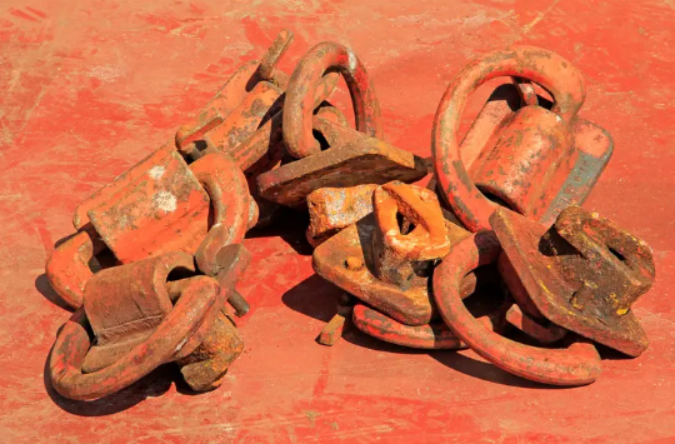
Elevator links are a type of wellhead tool commonly used in oil and gas operations. They are primarily used to connect and lift heavy equipment, such as Christmas trees, blowout preventers, and other wellhead devices. Due to the critical load-bearing function of elevator links, any failure can not only disrupt operations but also cause injuries or equipment damage. Therefore, scientifically conducted safety inspections and compliance with standards are essential.
Importance of Elevator Link Safety Inspections
Elevator links bear significant static and dynamic loads during wellhead operations. Even minor cracks, wear, or deformation can amplify risks during lifting. Regular inspections can help detect structural defects, corrosion, fatigue damage, and other potential issues, effectively preventing accidents. A reliable elevator link ensures smooth operations, extends the service life of wellhead equipment, and reduces maintenance costs.
Common Elevator Link Inspection Methods
Safety inspections for elevator links generally include the following methods:
1. Visual Inspection
Visual inspection is the most basic method. Inspectors should carefully examine the link surface for cracks, wear, corrosion, welding defects, or deformation. Special attention should be paid to welds, lifting lugs, and critical load-bearing areas. Any noticeable anomalies should be documented and further evaluated.
2. Dimensional and Geometric Measurement
Using precision measuring tools, key dimensions of the link—such as inner diameter, thickness, and lug height—should be checked against design specifications. Dimensional deviations may cause uneven stress distribution, reducing load-bearing capacity.
3. Ultrasonic Testing (UT)
Ultrasonic testing can detect internal and surface defects, including cracks, porosity, and inclusions. For high-load elevator links, ultrasonic testing is an important method to evaluate structural integrity.
4. Magnetic Particle Inspection (MPI)
Magnetic particle inspection is suitable for ferromagnetic elevator links. When a magnetic field is applied and fine magnetic particles are sprinkled on the surface, cracks or surface defects create visible indications. This method is highly sensitive to surface and near-surface flaws, making it ideal for routine inspections.
5. Load Testing
Load testing involves applying rated or over-rated loads to the elevator link to observe deformation and performance under stress. Test results can verify whether the link meets its design load standards and determine its safety margin.
Elevator Link Safety Standards
The design, manufacture, and inspection of elevator links generally follow national or industry standards, such as:
API (American Petroleum Institute) standards: Cover the design, inspection, and maintenance of wellhead lifting equipment.
ISO standards: Include requirements for lifting rings, hoisting devices, and pressure vessels.
Domestic oil industry regulations: Specify material, inspection methods, and intervals for elevator links used in wellhead operations.
Standards define not only structural dimensions and material performance but also inspection frequency, methods, and record-keeping requirements, ensuring that each lifting operation meets safety regulations.
Daily Maintenance Recommendations
Regularly clean surfaces to remove dirt, oil, and corrosion products, preventing defects from being obscured.
Keep detailed inspection records, including detected defects, repairs, or replacements, to track service life.
Avoid exceeding rated loads and operate strictly within specified limits.
Increase inspection frequency for links stored long-term or used in harsh environments to prevent material degradation.
Conclusion
As a critical load-bearing tool in wellhead operations, the safety of elevator links directly impacts personnel and equipment. By employing scientific inspection methods, strictly following standards, and implementing daily maintenance, risks can be minimized, service life extended, and wellhead operations conducted safely. Companies should incorporate elevator link inspections into routine workflows to make safety management consistent and institutionalized.