In drilling operations such as oil, gas, and geological exploration, drilling fluid (commonly known as ‘mud’) is a crucial medium for maintaining wellbore stability, carrying drill cuttings, and cooling the drill bit. However, the solid particles and harmful substances contained in drilling fluid, such as drill cuttings, rock powder, and chemical additives, will cause serious pollution to soil, water, and air if discharged directly without effective treatment. Solids control systems, through multi-stage separation technology, purify and recycle drilling fluid, not only reducing waste emissions but also breaking the pollution chain at its source, becoming a core technological support for the green transformation of the drilling industry.
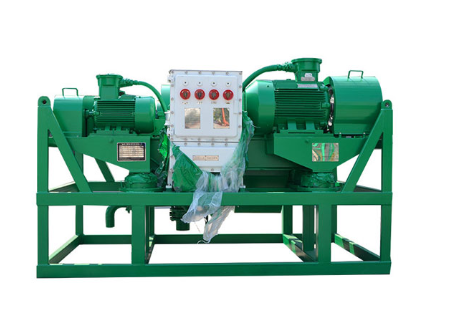
Preventing Direct Environmental Harm from Solid and Liquid Waste
Among the waste generated from drilling operations, the solid phase of drilling fluid (containing heavy metals, organic matter, etc.) and waste liquid (containing chemical additives and suspended solids) are the main sources of pollution. Solids control systems, through staged separation technology, ‘turn waste into treasure,’ significantly reducing environmental risks.
Solid Particle Separation to Reduce Soil Pollution
If drill cuttings, rock powder, and other solid particles from drilling fluid are directly discharged onto the surface, they will cover vegetation, damage soil structure, leading to soil compaction and decreased fertility. The solids control system uses a four-stage system—vibrating screen, desander, desilter, and centrifuge—to separate solid particles of different sizes:
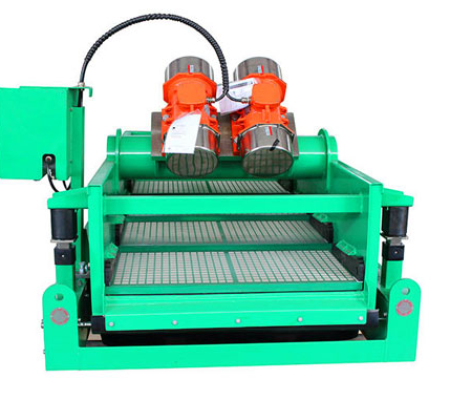
Vibrating screen: Intercepts coarse particles >40 mesh (such as drill cuttings and rock fragments), preventing them from entering subsequent processes;
Desander/desilter: Separates fine sand with a particle size of 15-74 μm, reducing physical erosion of the soil;
Centrifuge: Removes ultrafine particles<15 μm (such as clay and chemical additive residues), preventing them from penetrating into deeper soil layers.
After treatment by the solids control system, the solid content in the drilling fluid can be reduced to below 5%. The separated solids, after dehydration and solidification, can be used as roadbed materials or landfill material, achieving ‘harmless’ disposal and avoiding soil pollution.
Wastewater Purification and Recycling to Protect Water Bodies
Chemical additives in drilling fluids (such as filtration reducers and anti-collapse agents) can seep into groundwater or surface water with the wastewater, leading to eutrophication and heavy metal contamination, threatening ecological safety. Solids control systems reduce wastewater discharge through the following methods:
Closed-loop recycling: Purified drilling fluid is returned to storage tanks for reuse, reducing wastewater discharge by more than 80%;
Deep purification: Centrifuges can separate more than 90% of suspended solids in the drilling fluid, significantly reducing COD (Chemical Oxygen Demand) and BOD (Biochemical Oxygen Demand) levels to meet discharge standards;
Chemical treatment: The separated wastewater undergoes pH adjustment and heavy metal precipitation to further reduce environmental risks.
For example, after implementing a solids control system, a certain oilfield reduced single-well wastewater discharge from 200 cubic meters to 30 cubic meters, and the compliance rate of surrounding groundwater quality monitoring increased to 98%.
Reducing Raw Material Consumption and Energy Waste
The solids control system not only reduces pollution but also achieves the green development goals of ‘reduction, reuse, and recycling’ through resource recycling.
Drilling Fluid Recycling, Reducing Water Consumption
Drilling operations require large amounts of clean water to prepare drilling fluid. If fresh water is used for each well, water resources are wasted significantly. The solids control system purifies the drilling fluid, restoring its performance to near-original conditions, enabling recycling:
Water-based drilling fluid: After treatment by the solids control system, it can be recycled 5-10 times, saving 300-500 cubic meters of water per well;
Oil-based drilling fluid: By separating the oil and solid phases using a centrifuge, the oil phase recovery rate reaches over 95%, reducing the generation of oil-based waste.
Reusable Additives, Reducing Chemical Raw Material Consumption
The cost of chemical raw materials such as bentonite and polymers added to drilling fluids is high. If discharged with waste fluid, it causes economic losses and exacerbates the environmental burden. Solids control systems separate solid particles while retaining additive components in the liquid phase: Vibrating screen/desander: When separating coarse particles, additives in the liquid phase are largely retained; Centrifuge: By adjusting the differential speed, high-molecular polymers in the liquid phase can be selectively recovered, allowing for additive reuse.
After implementing a solids control system, a drilling company reduced its single-well chemical additive usage by 40%, resulting in a cost reduction of 250,000 yuan.
Facilitating Rapid Environmental Recovery
After drilling operations, abandoned well sites, if not promptly restored, can easily form ‘ecological scars.’ Solids control systems create conditions for ecological restoration by reducing waste emissions.
Reducing Waste Landfill and Land Occupation
In traditional drilling operations, a large amount of drilling fluid solids needs to be landfilled, occupying land resources and posing a risk of secondary pollution. Solids control systems separate the solid phase and, through dehydration and solidification, reduce its volume by more than 70%, significantly reducing landfill volume.
Promoting Vegetation Restoration and Ecosystem Reconstruction
The reduced soil and water pollution from solids control systems provides a foundation for vegetation restoration:
Soil Improvement: After harmless treatment, the separated solids can be used as a soil conditioner, increasing soil permeability;
Water Quality Preservation: Purified wastewater is used for well site spraying to reduce dust, minimizing chemical damage to surrounding vegetation;
Ecological Monitoring: Some solids control systems integrate environmental monitoring modules, providing real-time feedback on soil and water data to guide the development of ecological restoration plans.
Solids control systems transform drilling operations from an ‘environmental burden’ into ‘green productivity’ through three main pathways: pollution control, resource conservation, and ecological restoration. They not only reduce solid and liquid waste emissions and lower the risk of soil and water pollution, but also achieve efficient resource utilization through drilling fluid recycling and additive reuse. Simultaneously, they provide technical support for ecological restoration, facilitating the rapid recovery of damaged environments.