

What are the functional differences between a grinding shoe and a scraper?

In downhole operations and related engineering processes, grinding shoes and scrapers are both frequently mentioned and important tools. Both are visually associated with cleaning and treating the downhole environment, making them easily confused. However, in practical applications, their functional positioning, work objectives, and impact on the construction process differ significantly. Accurately understanding the functional differences […]
What are the types of cement plugs?

Cement plugs are an indispensable tool in oil and gas well construction, wellbore plugging, and engineering isolation operations. They form a stable, dense cement structure within the wellbore, achieving functions such as layered isolation, sealing pathways, and ensuring wellbore safety. As downhole operating environments become increasingly complex, cement plugs are becoming more refined in terms […]
Elevator Link Safety Hazard Inspection Guide: Preventing Lifting Accidents
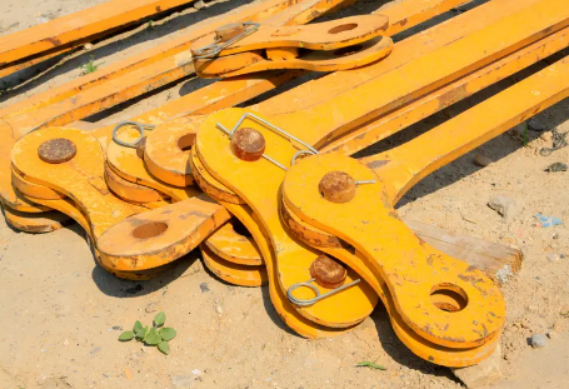
In oil and gas well operations, equipment installation, and heavy lifting activities, the Elevator Link, as a critical wellhead tool and load-bearing connection component, operates under high loads and complex working conditions. If potential hazards in an Elevator Link are not identified and addressed in time, they can easily lead to lifting failures, dropped loads, […]
What Causes Carbon Ring Failure?
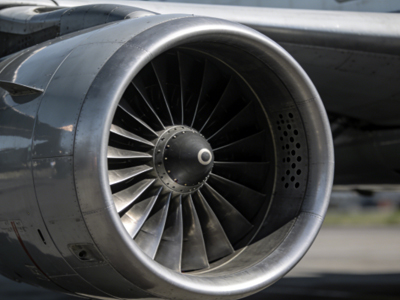
Carbon ring seals, as a common non-contact or light-contact sealing structure in high-speed rotating equipment—especially aero-engines, gas turbines, and turbomachinery—are valuable due to their lightweight, high-temperature resistance, thermal shock resistance, low coefficient of friction, and ability to maintain stable sealing under extreme conditions. Because of their outstanding performance advantages, they are often considered representative of […]
Elevator Link Service Life Evaluation and Extension Strategies
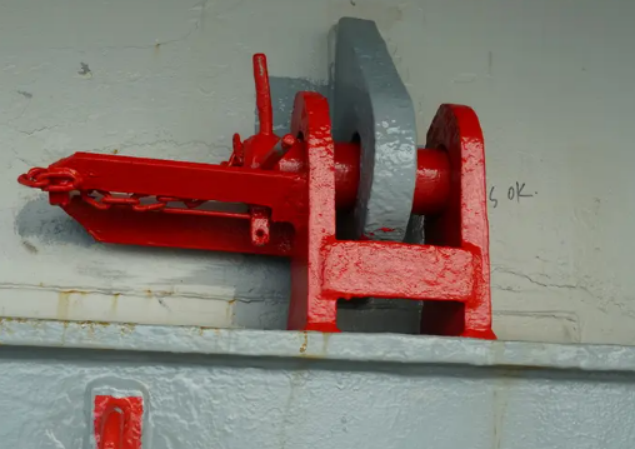
In oil and gas well operations, equipment installation, and heavy lifting tasks, the Elevator Link, as a critical wellhead tool and load-bearing connection component, plays a vital role in operational safety. Its service life directly affects lifting reliability and personnel safety. Once an Elevator Link fails due to fatigue or structural damage, the consequences can […]
What seals are typically used in aero-engines?
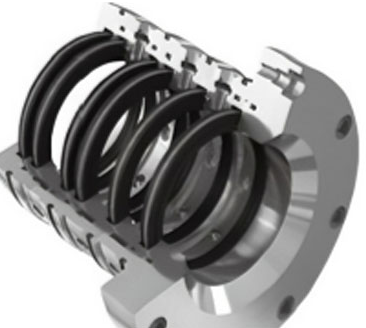
Among all industrial equipment, aero-engines are among the systems with the highest and most demanding sealing requirements. Their core components operate in environments with high temperatures, high speeds, high pressure differentials, high vibrations, and high cleanliness requirements. Even the smallest leak can affect thrust, efficiency, and even flight safety. While traditional mechanical seals, bellows seals, […]
Application Scenarios of Single-Ended Bellows Seals
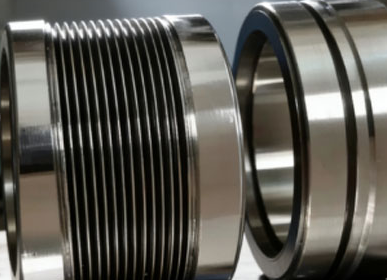
In modern fluid equipment, sealing technology has evolved from traditional packing and ordinary mechanical seals towards higher stability, longer lifespan, and lower maintenance costs. Single-ended bellows mechanical seals, as a widely used type of structure, exhibit significant advantages in many operating conditions due to their characteristics such as ‘no spring corrosion,’ ‘automatic wear compensation,’ ‘good […]
Elevator Link Maintenance Cycle and Key Inspection Points
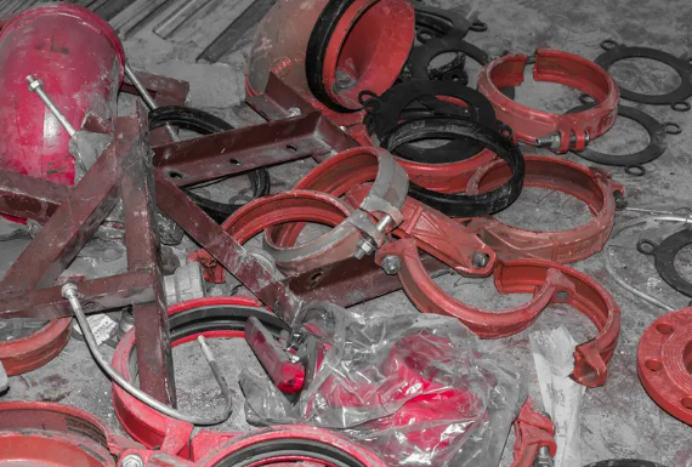
Elevator links are critical load-bearing tools in oil and gas wellhead operations. They are used to connect and lift heavy equipment, such as Christmas trees, blowout preventers, and other wellhead devices. Because elevator links carry crucial loads, any failure or damage can lead to operational accidents, personnel injuries, and equipment loss. Establishing a proper maintenance […]
How to ensure the sealing performance of bellows connections?
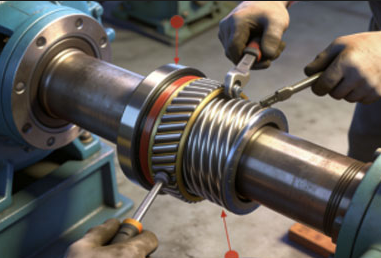
Bellows are a highly valuable structural component in the design of many chemical, pressure pipelines, high-temperature steam, vacuum systems, and mechanical seal cavities. They possess advantages such as displacement compensation, high-temperature and corrosion resistance, and a frictionless structure, playing a crucial sealing role in demanding operating conditions. However, the bellows itself is not an independent […]
Why is the mechanical seal afraid of idling?
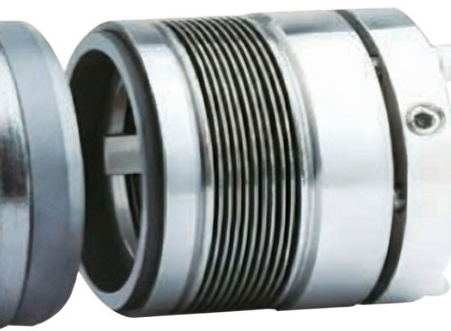
Of all the factors that cause premature damage to mechanical seals, dry running is perhaps the most insidious yet most fatal. Many users, when troubleshooting leaks or seal burnout, often overlook the impact of occasional dry running or short-term fluid shortages. However, for mechanical seals, even a few tens of seconds without the medium entering […]
Safety Inspection Methods and Standards for Elevator Links
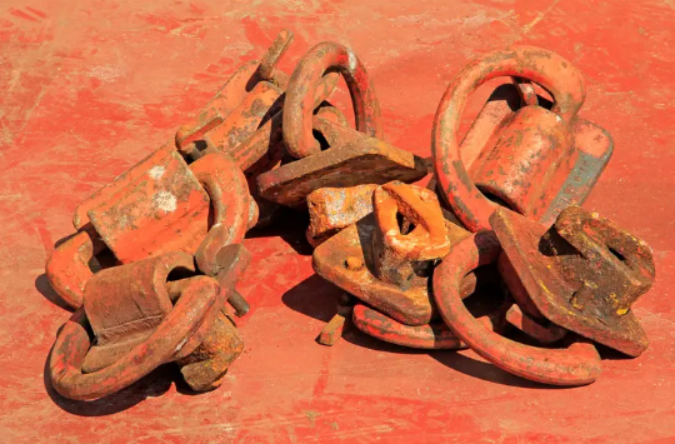
Elevator links are a type of wellhead tool commonly used in oil and gas operations. They are primarily used to connect and lift heavy equipment, such as Christmas trees, blowout preventers, and other wellhead devices. Due to the critical load-bearing function of elevator links, any failure can not only disrupt operations but also cause injuries […]
The Role of Coatings in Sealing
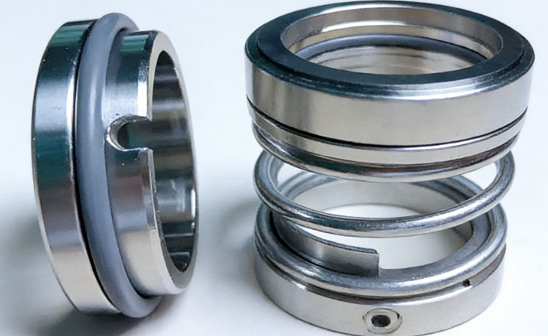
In the mechanical seal industry, many engineers have come to deeply understand that equipment stability often depends not on the sealing structure itself, but on the actual durability of the end face. As pumps transport increasingly complex media, containing more solid particles, higher corrosiveness, greater pressure fluctuations, higher speeds, or more frequent start-stop cycles, the […]
Applications of Lifting Rings in Different Types of Wellhead Equipment
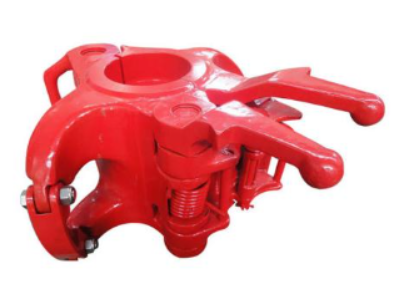
In oil and gas well operations and equipment maintenance, lifting rings are a critical component of wellhead tooling, responsible for lifting, installing, and positioning equipment. Different types of wellhead equipment vary in structure, weight, and operational environment, so the applications and selection criteria of lifting rings also differ. This article analyzes typical application scenarios of […]
Why are high-pressure pump seals more prone to burnout?
In the daily operation of the pump industry, the component most frequently causing shutdowns, leaks, and even equipment accidents is often not the pump body or the motor, but the seemingly small seal. Especially in pumps operating under high-pressure conditions, such as boiler feed pumps, reverse osmosis high-pressure pumps, water injection pumps, and ultra-high-pressure cleaning […]
How to Select Wellhead Tool Lifting Rings in Old Equipment Retrofit Projects
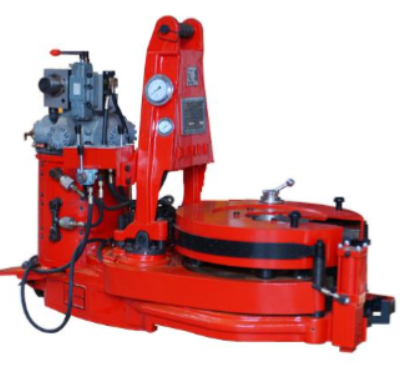
In oil and gas field operations, aging wellhead equipment has become an increasingly common issue as production facilities remain in service for extended periods. Retrofitting, replacing, or overhauling old wellhead equipment is essential for maintaining safe and stable operations. During these processes, wellhead tool lifting rings play a critical role in lifting and positioning heavy […]
Performance of Lifting Rings under High-Speed Operating Conditions
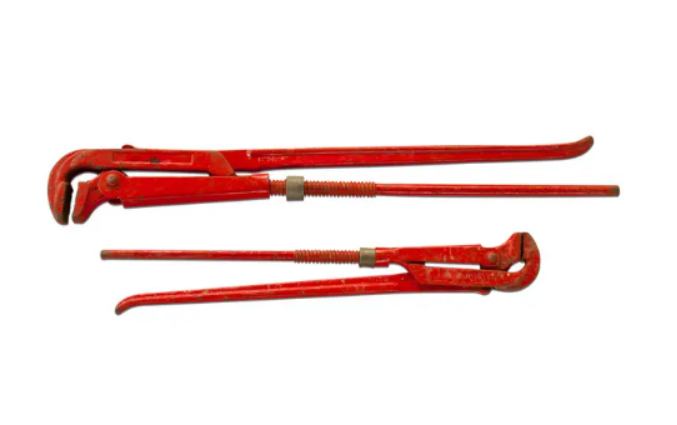
In oil and gas development, wellhead operations, and large-scale equipment installation, lifting and connecting tools are often required to operate under high-frequency and high-speed conditions. Such operating environments place much higher demands on structural strength and stability. Lifting rings, as essential wellhead tools, play a crucial role in ensuring operational safety and efficiency under high-speed […]
Application Cases of Weldless Lifting Rings in Industrial Scenarios — A Reliable Wellhead Tool Solution
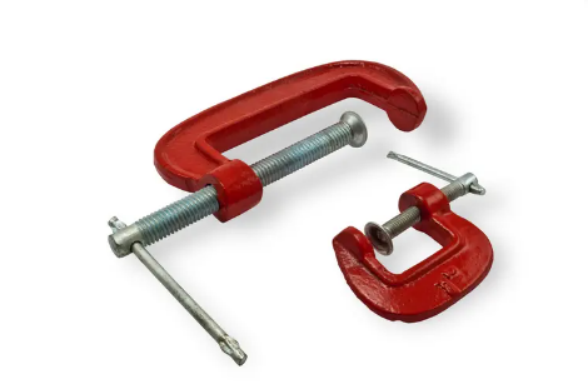
In oil and gas production, wellhead operations, and heavy equipment installation, the safety of lifting and connecting tools directly affects operational efficiency and personnel safety. Weldless lifting rings, as an important type of wellhead tool, are increasingly replacing traditional welded lifting rings due to their integral structure, stable strength, and reliable load-bearing performance. This article […]
Application Analysis of Elevator Links in Heavy-Load Conditions
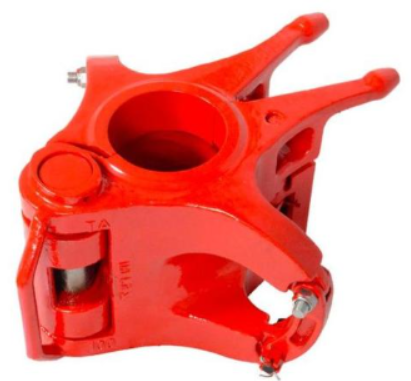
In wellhead pipe handling and heavy-duty operations, the elevator link is a critical load-bearing component. As operational loads increase and work environments become more complex, the performance of the elevator link under heavy-load conditions has become a key factor in ensuring both safety and efficiency. Analyzing its design principles, load characteristics, and selection criteria helps […]
Elevator Link Design Principles and Technical Parameters Explained
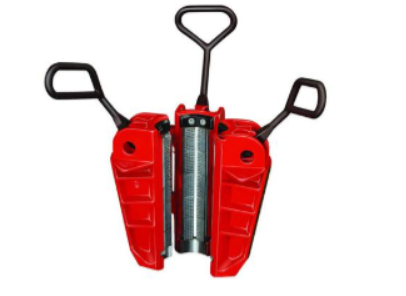
In wellhead pipe handling operations, the safety of the lifting system has a direct impact on operational efficiency and personnel safety. As a critical load-bearing component within the hoisting assembly, the elevator link operates under sustained high loads and stress. Its design integrity and technical parameter selection play a decisive role in ensuring stable and […]
Comparative Analysis of SH75, SH100 and SH150 Elevator Links
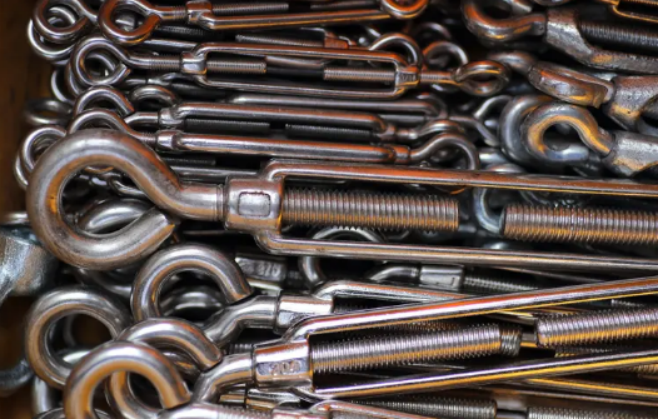
In oil and gas wellhead running and pulling operations, elevator links are essential load-bearing components. Elevator links connect the elevator and the hook, directly bearing the weight of the tubing string to ensure safe and stable lifting and lowering operations. They are typically used in pairs and work together with elevators, hooks, and other wellhead […]