

How can investing in a solids control system save money on drilling projects?
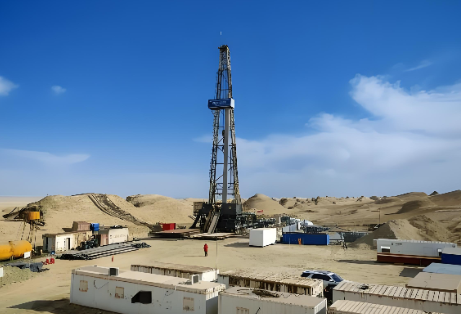
In oil and gas drilling projects, cost control is a core factor determining project profitability. Industry data shows that drilling fluid maintenance costs account for over 30% of the total cost of a single well, with 75% of that cost spent on treating solids contamination. Solids control systems, by precisely controlling the content of harmful […]
What is Well Control in Oil Drilling?
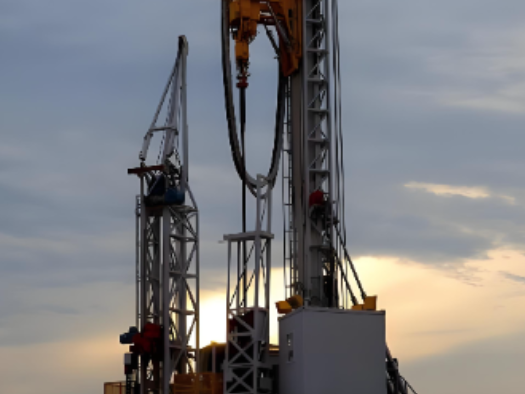
In the complex engineering of oil and gas exploration and development, drilling operations are like ‘threading a needle underground,’ requiring precise penetration of thousands of meters of formation while constantly dealing with the challenges of formation pressure. Well Control technology acts as a ‘safety shield’ in this underground struggle. It scientifically controls the pressure balance […]
What specific role does drilling fluid play in well control?
In the field of oil and gas exploration and development, well control is a core element in ensuring the safety of drilling operations. Its essence is to maintain a dynamic balance between wellbore pressure and formation pressure through technical means. Drilling fluid, as the ‘blood’ of drilling engineering, is not only the circulating medium but […]
How Effective Are Decarbonization Centrifuges for Wastewater Treatment?
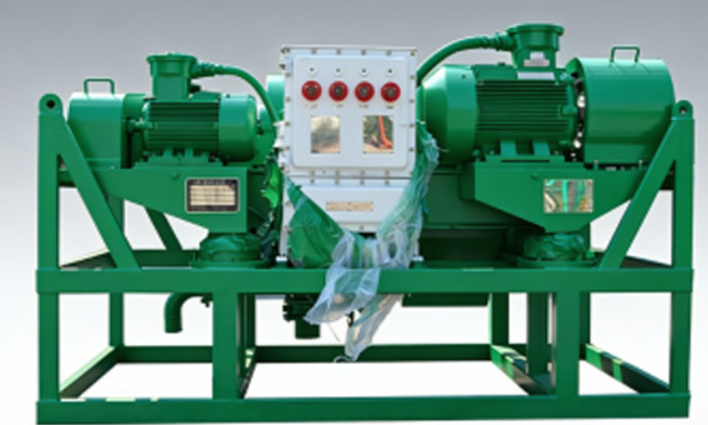
With rapid industrial development and urbanization, wastewater discharge has become an increasingly prominent issue. Whether it’s industrial wastewater or domestic sewage, it contains large amounts of suspended solids, grease, and fine particles. Direct discharge without effective treatment not only pollutes the environment but also poses potential threats to ecosystems and human health. Traditional sedimentation tanks, […]
What role do solids control systems play in environmental protection?
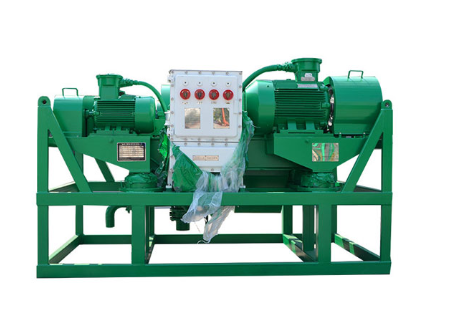
In drilling operations such as oil, gas, and geological exploration, drilling fluid (commonly known as ‘mud’) is a crucial medium for maintaining wellbore stability, carrying drill cuttings, and cooling the drill bit. However, the solid particles and harmful substances contained in drilling fluid, such as drill cuttings, rock powder, and chemical additives, will cause serious […]
What are the most serious consequences of well control failure?
In the field of oil and gas exploration and development, well control failure is the most serious and devastating catastrophic accident in drilling operations. Essentially, it is the complete failure of conventional well control measures (such as blowout preventers and kill fluids), leading to the uncontrolled release of high-pressure fluids from the formation, resulting in […]
Why is well control considered the lifeline of drilling safety?
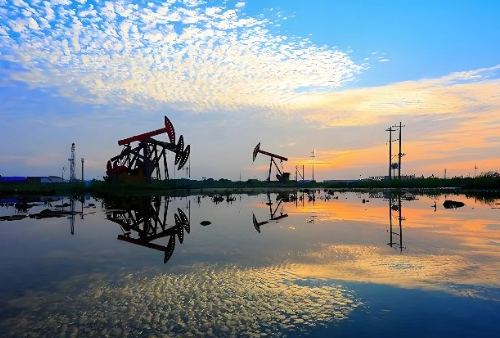
In oil and gas drilling operations, the term ‘well control’ carries the dual weight of life and wealth. From deep-sea drilling platforms in the Gulf of Mexico to ultra-high-pressure gas wells in the Sichuan Basin, from horizontal wells in shale gas development to kilometer-deep wells in the Tarim Desert, every interaction between the drill bit […]
How to Operate a Decarbonization Centrifuge Safely?
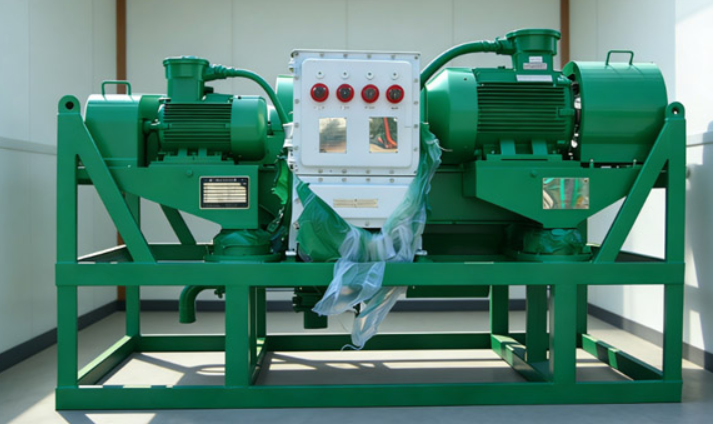
A decarbonization centrifuge is a widely used separation device in industries such as petroleum, natural gas, and wastewater treatment. It efficiently separates solids and liquids, improving production efficiency. However, due to its high-speed operation and complex structure, improper operation can easily lead to safety accidents, such as mechanical injuries, liquid leaks, and even fires. This […]
How often should well control equipment be inspected?
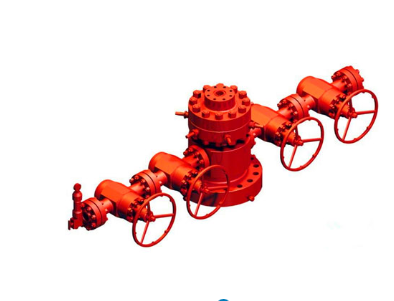
In oil and gas field development, well control equipment is a core component ensuring the safety of drilling, completion, and workover operations. Its reliability directly impacts personnel safety, environmental safety, and the protection of oil and gas resources. However, the long-term effects of extreme operating conditions such as high pressure, high temperature, and corrosive media […]
What is the working principle of well control equipment?
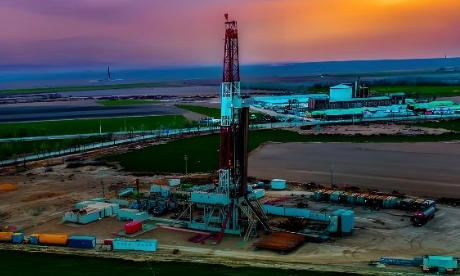
In oil and gas drilling operations, the dynamic balance between formation pressure and well pressure is the cornerstone of safe production. When encountering high-pressure oil and gas layers or abnormally pressured formations, if the fluid column pressure in the well cannot effectively balance the formation pressure, catastrophic accidents such as well kicks and blowouts may […]
How do solids control systems work collaboratively?
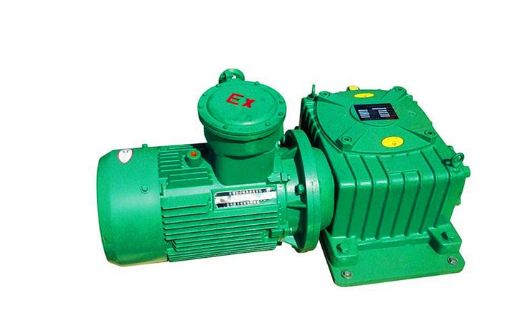
In drilling operations, the solids control system is a core component for maintaining stable drilling fluid performance and ensuring safe and efficient drilling. Through the coordinated work of multiple stages of equipment, it achieves the graded separation and recycling of solid particles in the drilling fluid. This avoids equipment wear caused by solid accumulation, reduces […]
What are the special requirements for well control equipment on offshore drilling platforms?
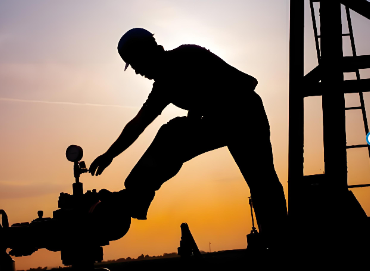
As a key facility for oil and gas resource development, offshore drilling platforms operate in a complex and ever-changing marine environment, facing multiple challenges from waves, tides, corrosive media, and extreme weather conditions. Well control equipment, as the core system ensuring drilling operation safety, must meet a series of special requirements in its design, configuration, […]
What are the main components of a well control system?
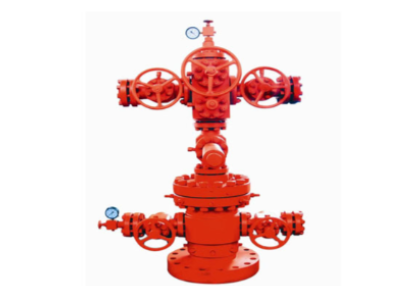
In oil and gas drilling operations, the well control system is the core equipment system for ensuring wellbore safety and preventing blowouts. Its functions cover the entire process from pressure monitoring and wellhead sealing to emergency response, achieving closed-loop management of ‘prevention-control-treatment’ through multi-level equipment collaboration. The following analyzes the core components of a well […]
What types of slurry or suspension can the decarbonization centrifuge handle?
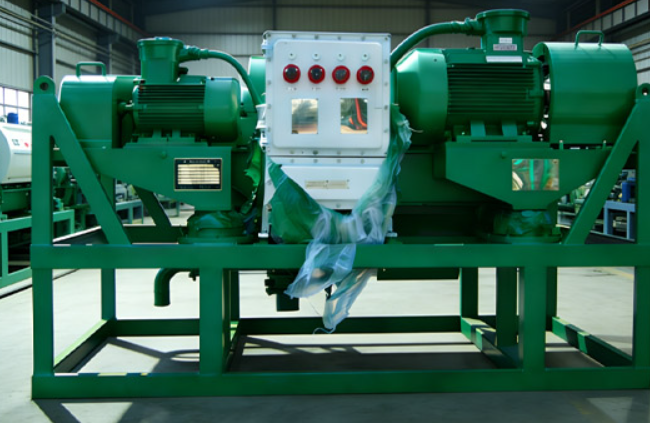
In oil and gas extraction, microtunneling, horizontal directional drilling, and drilling waste treatment, large quantities of mud and suspensions with varying solid contents are generated. These muds not only affect construction efficiency but also cause equipment wear and tear, and improper handling can lead to environmental pollution. Therefore, selecting a suitable decarbonization centrifuge is crucial […]
How to Quickly Determine if a Solids Control System is Operating Normally?
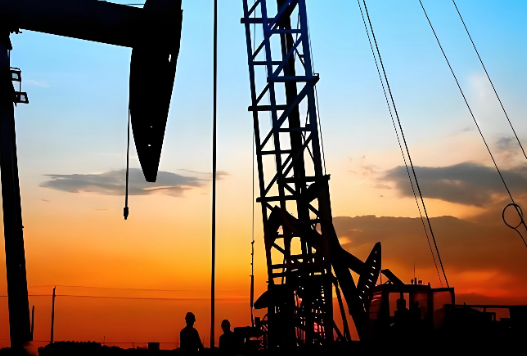
In drilling operations, the solids control system is a core component ensuring stable drilling fluid performance, extending equipment lifespan, and improving drilling efficiency. Its operational status directly affects the continuity and quality of drilling fluid circulation, thus impacting the overall safety and economy of the operation. However, solids control systems involve multiple stages of equipment, […]
What well control measures require special attention during rainy season operations?
The rainy season is a high-risk period for drilling and well workover operations in oil and gas fields. Continuous rainfall not only leads to muddy well sites and damp equipment, but can also cause problems such as water accumulation at the wellhead and deterioration of mud properties, thereby increasing well control risks. Statistics show that […]
Differences and Connections between Well Control and Solids Control
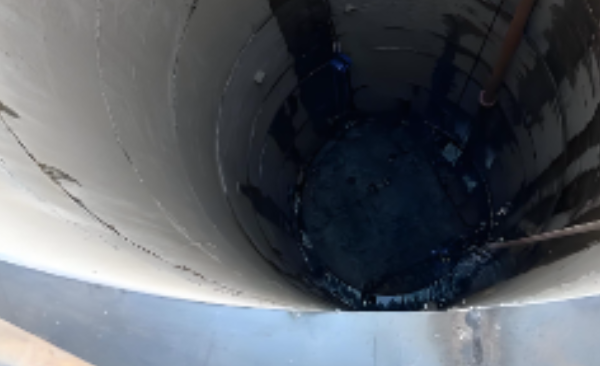
In the complex engineering of oil and gas exploration and development, well control and solids control act as two ‘safety keys.’ The former safeguards the dynamic balance of wellbore pressure, while the latter maintains the circulation and purification of drilling fluid. Although their technical approaches differ, they jointly construct a safety barrier for oil and […]
What Downhole Problems Caused by Poor Solids Control?
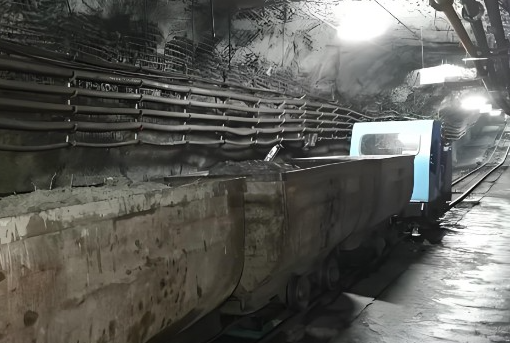
In complex engineering processes such as oil drilling and downhole operations, the solids control system is a core component for maintaining drilling fluid performance and ensuring downhole safety. Its core function is to separate harmful solid phases (such as rock cuttings, inferior soil, and sand particles) from the drilling fluid using physical and chemical methods, […]
What is Well Control?
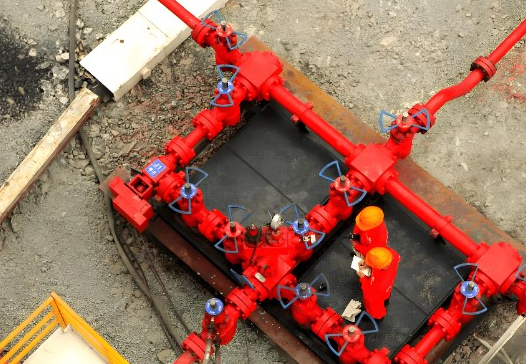
In the grand narrative of energy development, well control acts as an invisible guardian, silently maintaining the safety baseline of oil and gas extraction. It is not only an art of pressure balancing at the technical level, but also a systematic engineering project concerning human lives, environmental safety, and the sustainable use of resources. From […]
What are the special requirements for well control for different well types?
In oil and gas field development, the choice of well type directly affects drilling technology and well control strategies. From vertical wells to directional wells, and then to special well types such as horizontal wells and multi-bottom wells, the differences in wellbore trajectory, formation contact methods, and engineering complexity place differentiated demands on well control […]